The Best Fluffy Pancakes recipe you will fall in love with. Full of tips and tricks to help you make the best pancakes.
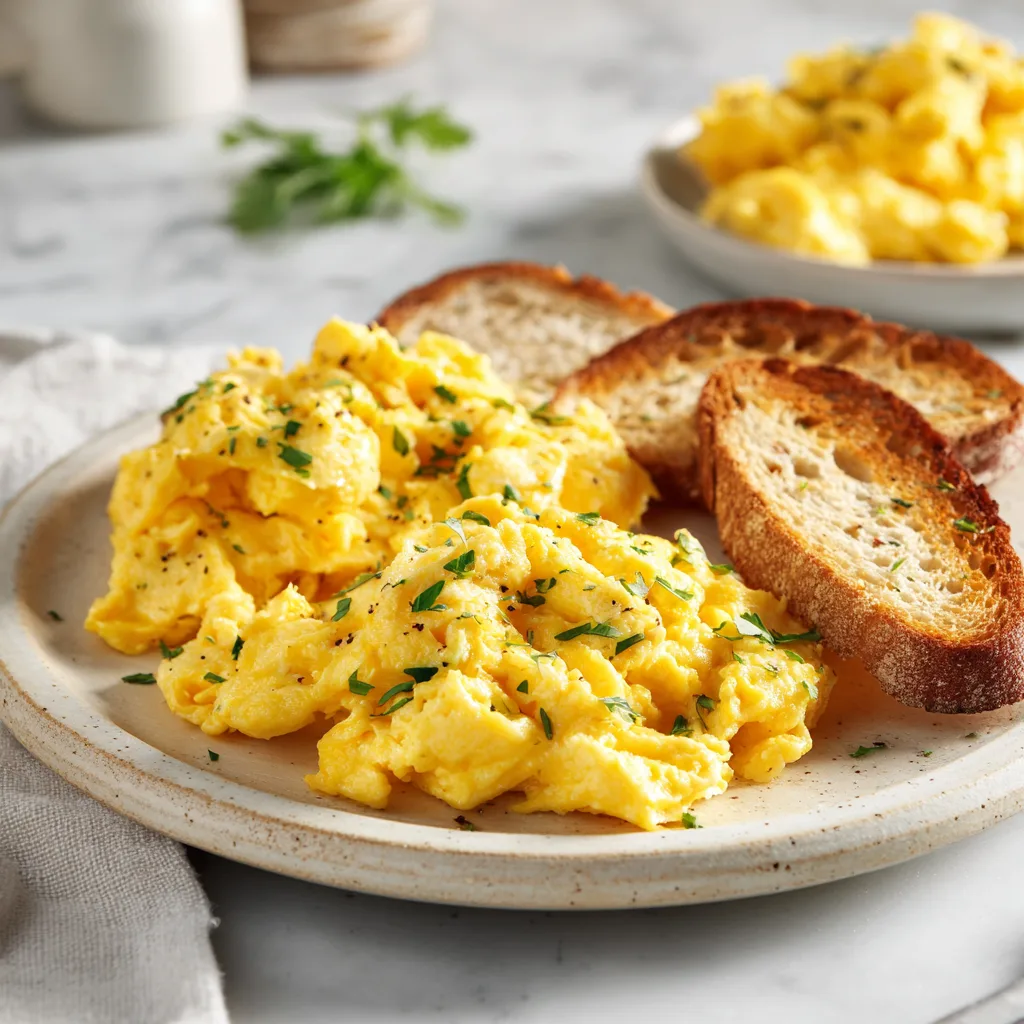
Few dishes are as universally loved, endlessly customizable, and incredibly easy to prepare as scrambled eggs. Whether you’re rushing through a busy morning or enjoying a slow weekend brunch, scrambled eggs remain the ultimate comfort breakfast. This humble dish has been a staple in kitchens around the world for centuries, and for good reason—it’s quick, affordable, nutritious, and absolutely delicious when done right.
In this complete guide, you’ll learn everything you need to know about making perfect scrambled eggs—from choosing the best ingredients to mastering the cooking technique that delivers soft, fluffy, and creamy results every single time.
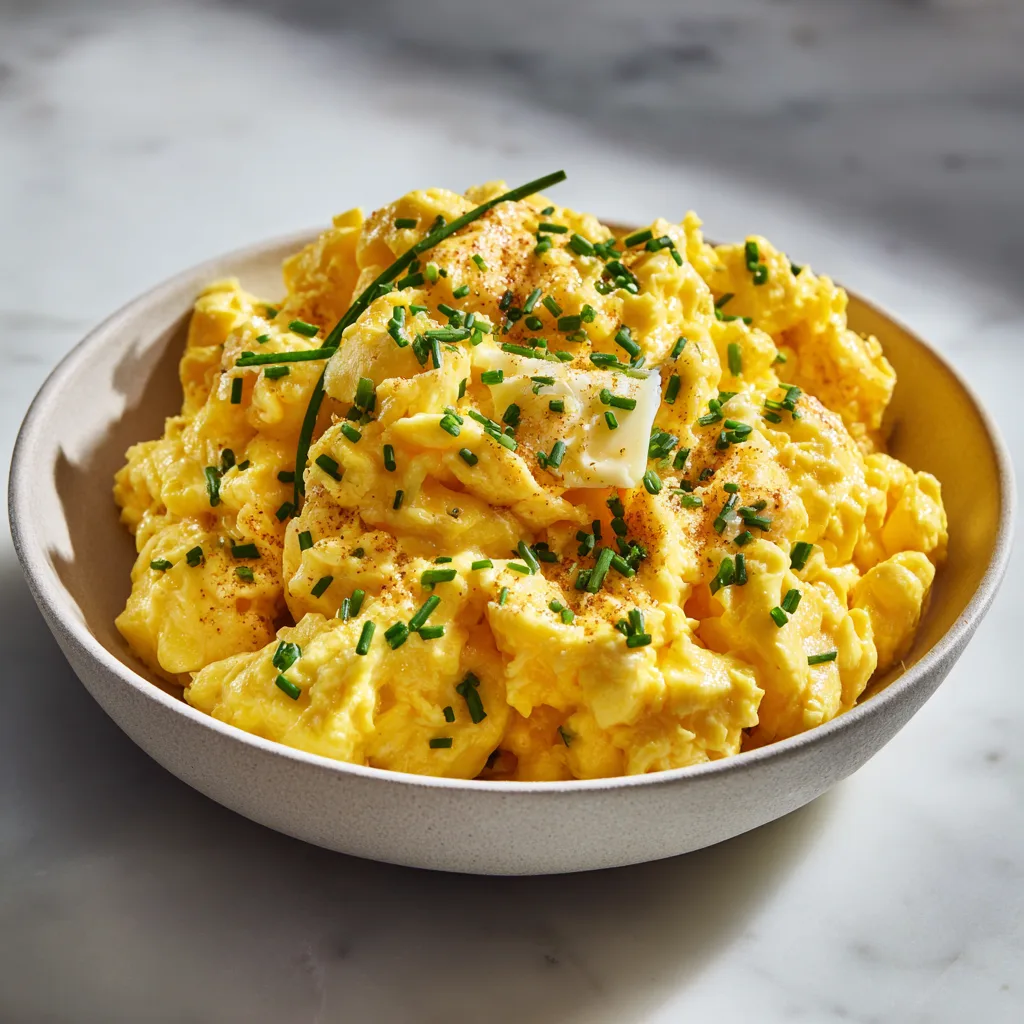
Why Scrambled Eggs Are a Breakfast Favorite
Scrambled eggs are more than just a quick meal—they’re a culinary foundation. Their simplicity allows for endless creativity, while their rich flavor and soft texture make them satisfying on their own or paired with other dishes.
Here’s why scrambled eggs remain a top breakfast choice:
- Ready in under 10 minutes
- High in protein and essential nutrients
- Budget-friendly and widely available
- Easily customizable with herbs, cheese, and vegetables
- Perfect for beginners and experienced cooks alike
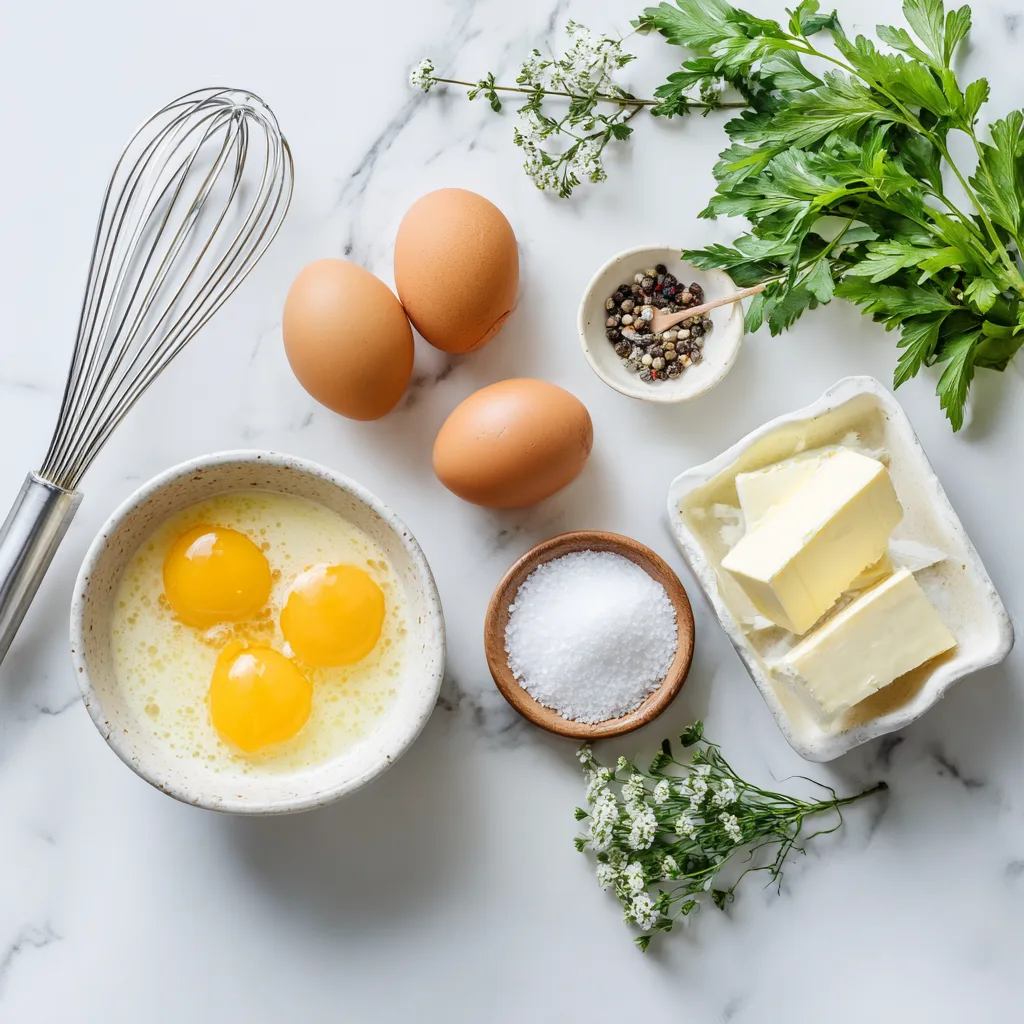
Ingredients
- 4 large eggs
- 2 tablespoons milk or cream (optional, for creaminess)
- 1 tablespoon butter
- Salt, to taste
- Black pepper, to taste
- Fresh chives or parsley (optional, for garnish)
Instructions
- Crack the eggs into a medium bowl and add the milk or cream if using.
- Whisk the mixture thoroughly until the yolks and whites are fully combined and slightly frothy.
- Place a non-stick skillet over low to medium-low heat and add the butter.
- Allow the butter to melt slowly without browning.
- Pour the egg mixture into the skillet.
- Let the eggs sit undisturbed for a few seconds until they begin to set at the edges.
- Using a spatula, gently stir the eggs, pushing them from the edges toward the center.
- Continue stirring slowly, forming soft curds.
- Remove the skillet from heat when the eggs are still slightly soft and glossy—they will continue cooking from residual heat.
- Season with salt and pepper, garnish with herbs if desired, and serve immediately.
The Secret to Perfect Scrambled Eggs
The difference between average scrambled eggs and truly exceptional ones lies in technique. Here are a few essential tips:
1. Low Heat is Key
Cooking eggs over high heat leads to dry, rubbery results. Always cook scrambled eggs on low heat to maintain a creamy texture.
2. Stir Gently
Avoid aggressive stirring. Gentle folding creates soft, delicate curds that melt in your mouth.
3. Don’t Overcook
Eggs continue cooking even after you remove them from heat. Take them off the stove while they still look slightly underdone.
4. Use Butter for Flavor
Butter adds richness and enhances the overall taste. It also helps prevent sticking.
5. Season at the End
Adding salt too early can break down the eggs and affect texture. Season just before serving for the best results.
Variations to Try
One of the best things about scrambled eggs is their versatility. You can easily transform the basic recipe into something new and exciting:
Cheesy Scrambled Eggs
Add shredded cheddar, mozzarella, or feta during the last minute of cooking for a rich, melty finish.
Herb-Infused Eggs
Mix in fresh herbs like dill, parsley, or basil for a burst of freshness.
Vegetable Scramble
Sauté onions, bell peppers, mushrooms, or spinach before adding the eggs for a more filling dish.
Spicy Scrambled Eggs
Add a pinch of chili flakes or a dash of hot sauce for some heat.
Creamy French-Style Eggs
Cook on very low heat while stirring constantly to achieve ultra-soft, custard-like eggs.
Serving Suggestions
Scrambled eggs pair beautifully with a variety of sides and accompaniments:
- Toasted bread or croissants
- Avocado slices or guacamole
- Fresh tomatoes or sautéed mushrooms
- Breakfast sausages or bacon
- Roasted potatoes or hash browns
You can also use scrambled eggs as a filling for sandwiches, wraps, or breakfast burritos.
Nutritional Benefits
Eggs are a powerhouse of nutrition. They are rich in high-quality protein, essential vitamins, and healthy fats. Here are some benefits:
- High in protein, supporting muscle growth and repair
- Contains vitamins A, D, E, and B12
- Rich in choline, important for brain health
- Naturally low in carbohydrates
Scrambled eggs can be part of a balanced diet when prepared with moderate amounts of butter and salt.
Common Mistakes to Avoid
Even a simple dish like scrambled eggs can go wrong if you’re not careful. Here are some common mistakes:
- Cooking on high heat
- Over-stirring or not stirring at all
- Overcooking the eggs
- Using too much liquid
- Skipping seasoning
Avoiding these pitfalls will dramatically improve your results.
Fun Facts About Scrambled Eggs
- Scrambled eggs have been enjoyed since ancient times, with early versions appearing in Roman cuisine.
- Different cultures have their own variations, from creamy European styles to spicy Middle Eastern versions.
- Eggs are one of the most consumed foods worldwide due to their affordability and versatility.
Final Thoughts
Scrambled eggs may seem simple, but mastering them is a true culinary skill. With the right technique and attention to detail, you can elevate this everyday breakfast into something truly special. Whether you prefer them soft and creamy or slightly firm and fluffy, this recipe provides the perfect foundation.
Once you’ve mastered the basics, don’t be afraid to experiment with flavors and ingredients to make the dish your own. After all, the beauty of scrambled eggs lies in their endless possibilities.
Scrambled Eggs
Soft, fluffy scrambled eggs made with simple ingredients for a quick and satisfying breakfast.
Ingredients
Equipment
Method
- Crack eggs into a bowl, add milk if using, and whisk until smooth.
- Melt butter in a skillet over low heat.
- Pour eggs into the pan and cook gently, stirring slowly until soft curds form.
- Remove from heat while slightly undercooked and season with salt and pepper.
- Garnish if desired and serve immediately.
Notes
Cook on low heat for creamy eggs and avoid overcooking for best texture.