
The Best Fluffy Pancakes recipe you will fall in love with. Full of tips and tricks to help you make the best pancakes.
Few dishes are as universally loved, endlessly customizable, and effortlessly satisfying as the classic omelette. Whether you’re rushing through a busy weekday morning or enjoying a relaxed weekend brunch, the omelette stands out as a go-to high-protein breakfast that is both quick to prepare and incredibly versatile.
In this complete guide, you’ll learn how to make the perfect omelette from scratch—light, fluffy, and packed with flavor. From beginner-friendly techniques to pro-level tips, this article will walk you through everything you need to know to master this timeless dish.
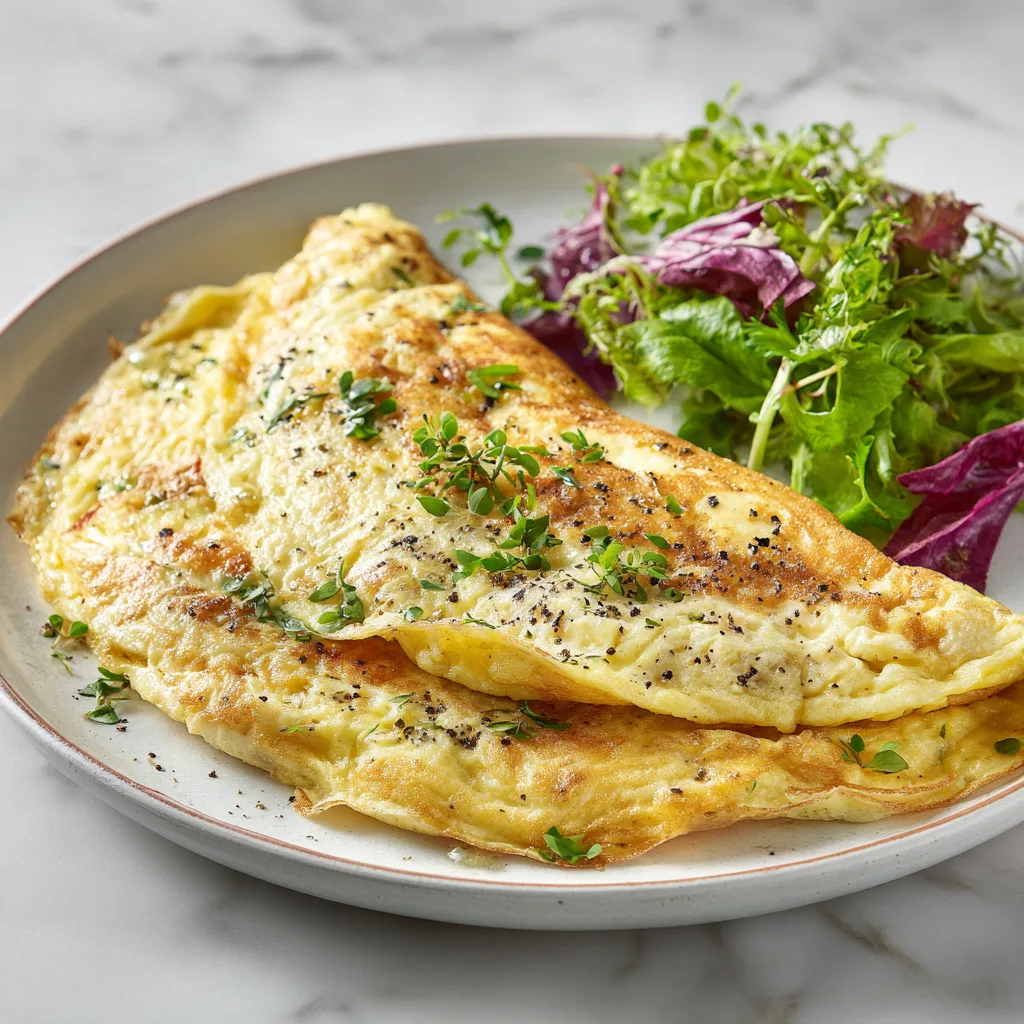
Why Omelettes Are the Ultimate Breakfast
The omelette is more than just eggs cooked in a pan—it’s a canvas for creativity. It’s one of the most popular breakfast dishes worldwide for several reasons:
- High in protein: Eggs provide essential amino acids that keep you energized throughout the day.
- Quick to prepare: You can go from fridge to plate in under 10 minutes.
- Customizable: Add vegetables, cheese, meats, or herbs to suit your taste.
- Budget-friendly: Requires only a few basic ingredients.
Whether you prefer a simple French-style omelette or a loaded American-style version, the possibilities are endless.
Ingredients
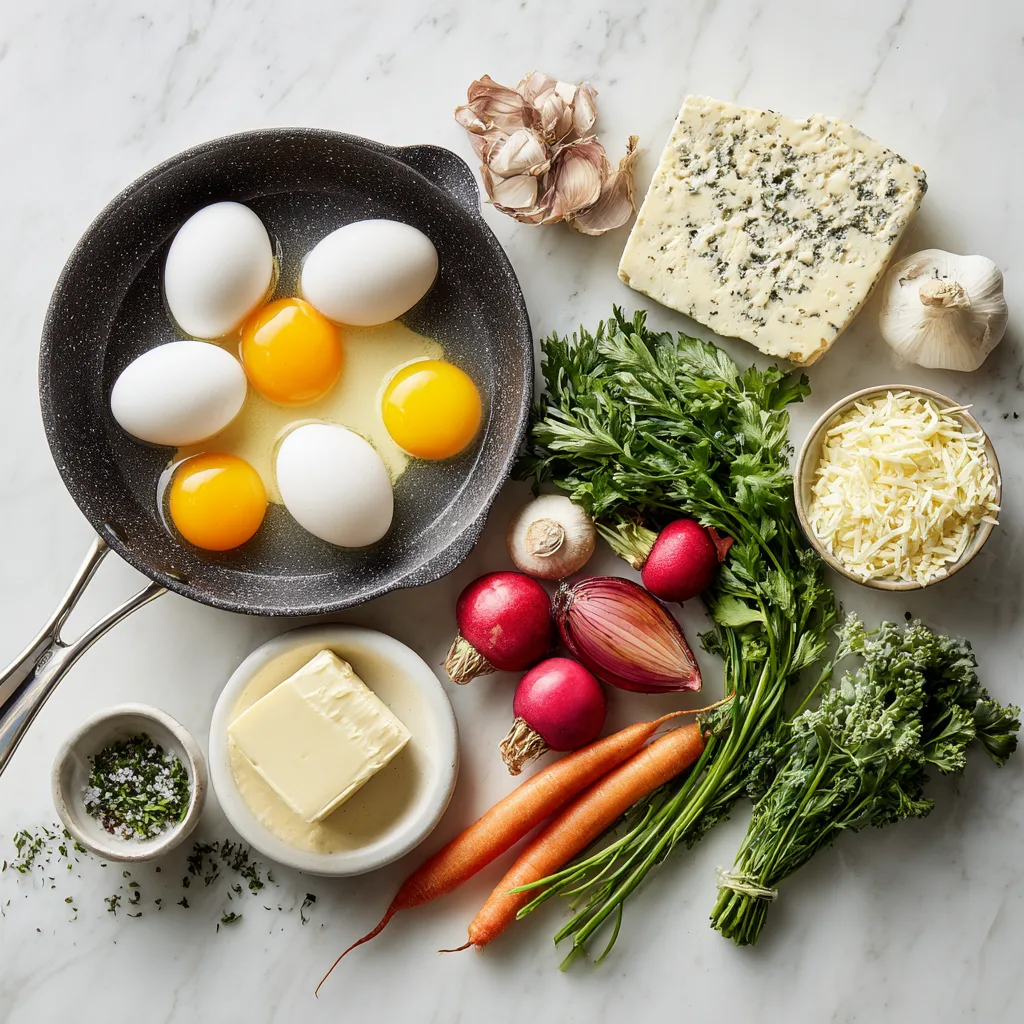
- 3 large eggs
- 1 tablespoon milk or water
- 1 tablespoon butter
- Salt, to taste
- Black pepper, to taste
- 2 tablespoons shredded cheese (optional)
- 2 tablespoons chopped vegetables (onions, bell peppers, spinach, mushrooms)
- 1 tablespoon fresh herbs (parsley, chives, or cilantro)
Instructions
- Crack and Whisk the Eggs
In a bowl, crack the eggs and add milk or water. Whisk thoroughly until the mixture is smooth and slightly frothy. This step helps create a lighter, fluffier texture. - Heat the Pan
Place a non-stick skillet over medium heat and add butter. Allow it to melt completely, coating the surface evenly without browning. - Pour the Eggs
Pour the egg mixture into the pan. Let it sit for a few seconds until the edges begin to set. - Gently Stir and Shape
Using a spatula, gently push the cooked edges toward the center while tilting the pan to let uncooked eggs flow to the edges. This creates an even cook. - Add Fillings
Once the eggs are mostly set but still slightly soft on top, sprinkle cheese, vegetables, and herbs on one side. - Fold the Omelette
Carefully fold the omelette in half over the fillings. Cook for another 30–60 seconds until fully set. - Serve Immediately
Slide the omelette onto a plate and serve hot for the best texture and flavor.
Tips for the Perfect Omelette
1. Use Fresh Eggs
Fresh eggs result in better texture and richer flavor. The yolks should be bright and the whites thick.
2. Don’t Overbeat
Whisk just until combined—overbeating can make the omelette dense instead of fluffy.
3. Control the Heat
Medium to low heat is key. High heat can overcook the eggs and create a rubbery texture.
4. Use the Right Pan
A non-stick skillet is essential for easy flipping and folding without tearing.
5. Timing Is Everything
Remove the omelette from heat while it’s still slightly soft—it will continue cooking from residual heat.
Popular Omelette Variations
Cheese Omelette
Add cheddar, mozzarella, or feta for a rich, creamy interior.
Vegetable Omelette
Include mushrooms, spinach, tomatoes, and bell peppers for a nutritious boost.
Meat Lover’s Omelette
Incorporate cooked bacon, sausage, or ham for extra protein and flavor.
Mediterranean Omelette
Combine olives, feta cheese, tomatoes, and oregano for a vibrant twist.
Herb Omelette
Keep it simple with fresh herbs like parsley, chives, and dill for a light, aromatic dish.
Serving Suggestions
An omelette is delicious on its own, but pairing it with the right sides can elevate your breakfast experience:
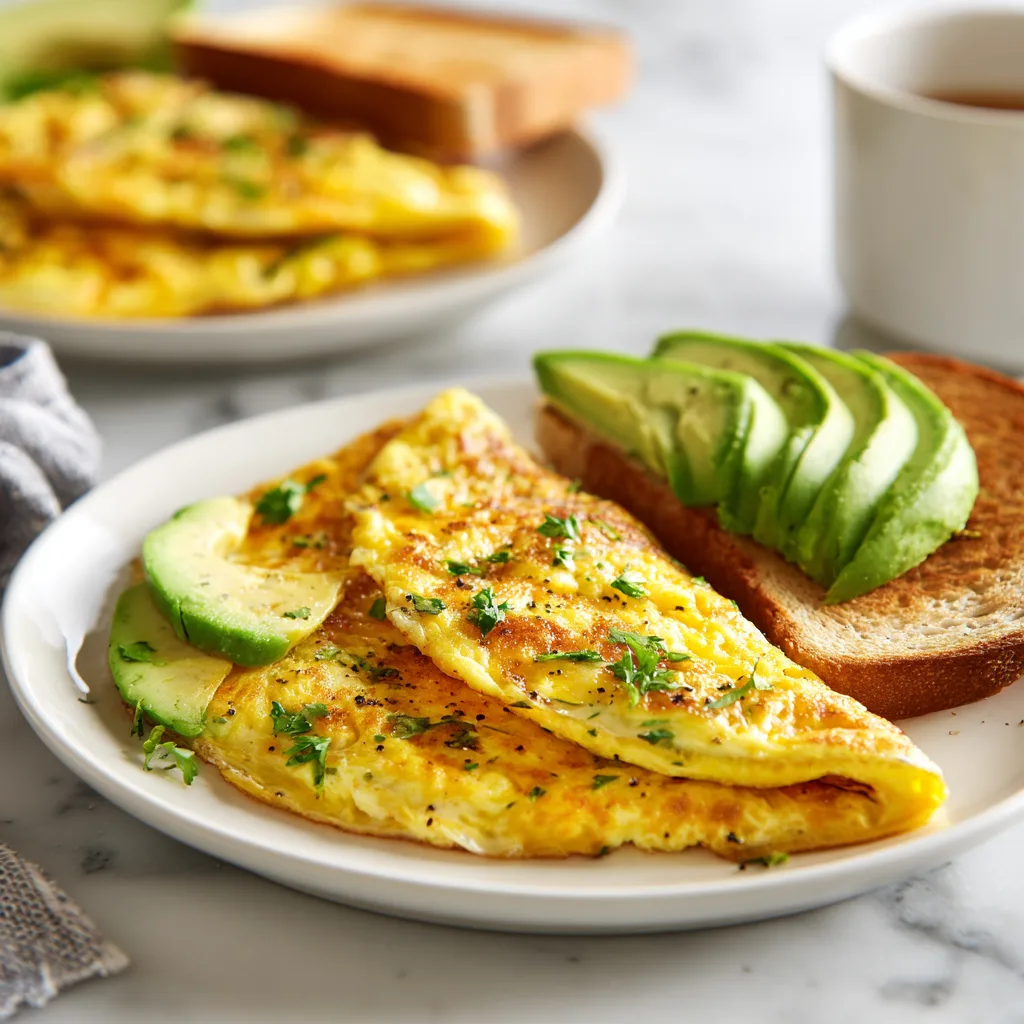
- Toasted bread or croissants
- Fresh fruit salad
- Avocado slices
- Roasted potatoes
- Fresh juice or coffee
For a balanced meal, combine protein, healthy fats, and carbohydrates to keep you satisfied longer.
Nutritional Benefits of Omelettes
Omelettes are a powerhouse of nutrition:
- Protein: Supports muscle growth and repair
- Healthy fats: Essential for brain function
- Vitamins: Rich in vitamin A, D, B12, and choline
- Minerals: Contains iron, selenium, and phosphorus
Adding vegetables increases fiber content and boosts overall nutrient density.
Common Mistakes to Avoid
Even a simple dish like an omelette can go wrong if you’re not careful:
- Overcooking: Leads to dry, rubbery eggs
- Too many fillings: Makes folding difficult and messy
- High heat: Causes uneven cooking
- Skipping seasoning: Eggs need proper seasoning for flavor
Avoiding these mistakes will ensure a consistently delicious result every time.
Fun Facts About Omelettes
- The word “omelette” comes from the French word “omelette”, reflecting its culinary roots.
- In France, making a perfect omelette is considered a basic test of cooking skill.
- Omelettes are enjoyed worldwide with countless regional variations.
- The largest omelette ever made weighed over 6 tons!
Why This Omelette Recipe Works
This recipe strikes the perfect balance between simplicity and flavor. By focusing on technique—gentle cooking, proper whisking, and smart timing—you achieve a soft, fluffy texture every time.
It’s ideal for beginners while still delivering results that even experienced cooks will appreciate. Plus, the flexibility of ingredients means you can adapt it to whatever you have on hand.
Final Thoughts
The omelette is proof that simple ingredients can create something truly special. With just eggs, a bit of butter, and a few add-ins, you can prepare a meal that is nutritious, satisfying, and endlessly customizable.
Whether you’re making breakfast for yourself or impressing guests at brunch, mastering the omelette is a skill worth having. Once you get the basics down, you’ll find yourself experimenting with flavors and combinations that suit your personal taste.
So grab your skillet, crack a few eggs, and start cooking—your perfect omelette awaits.
Omelette
A quick, fluffy, and protein-packed omelette perfect for a simple and satisfying breakfast.
Ingredients
Equipment
Method
- Crack eggs into a bowl, add milk or water, and whisk until smooth and slightly frothy.
- Heat butter in a non-stick skillet over medium heat until melted.
- Pour in eggs, cook gently, add fillings, fold, and cook until just set before serving.
Notes
Use low to medium heat for best texture. Avoid overcooking to keep the omelette soft and fluffy.