
The Best Fluffy Pancakes recipe you will fall in love with. Full of tips and tricks to help you make the best pancakes.
Introduction
There’s something incredibly refreshing about a sauce that instantly cools your palate while adding a burst of bold, herby flavor. Tzatziki sauce is exactly that kind of culinary magic. Whether it’s paired with sizzling grilled meats, tucked into warm pita wraps, or simply scooped up with crunchy vegetables, this classic Greek yogurt dip transforms even the simplest meal into something memorable.
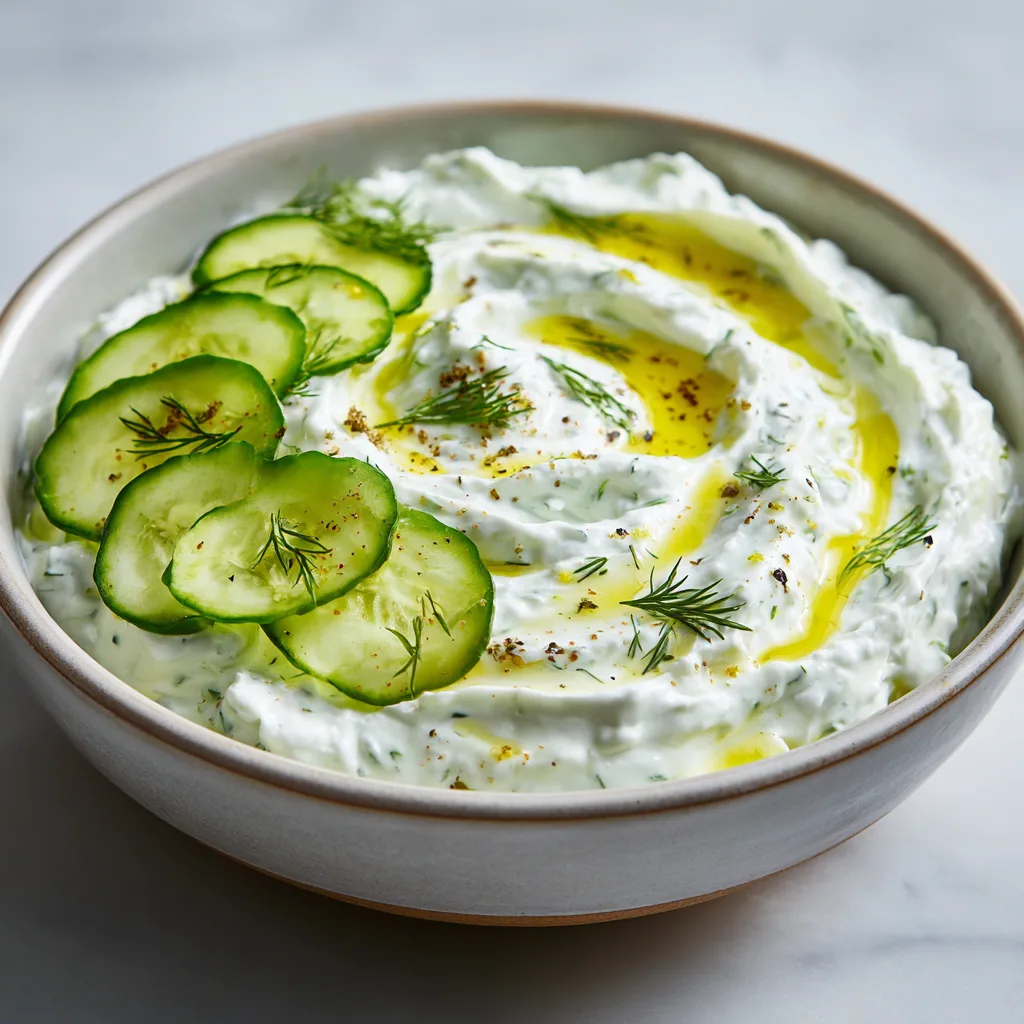
The first time you taste a truly authentic tzatziki, it’s a revelation. The creamy tang of thick yogurt, the crisp freshness of cucumber, the sharp bite of garlic, and the aromatic hint of dill all come together in perfect harmony. It’s not just a dip—it’s a cornerstone of Mediterranean cuisine that brings balance, brightness, and richness all at once.
What makes this tzatziki recipe special is its simplicity and authenticity. With just a handful of fresh ingredients and a few easy steps, you can recreate that restaurant-quality flavor right in your own kitchen. No shortcuts, no fillers—just pure, vibrant taste that feels both comforting and elevated.
Why You’ll Love This Recipe
- Incredibly refreshing and perfect for warm weather meals
- Made with simple, wholesome ingredients
- Ready in under 15 minutes with minimal effort
- Versatile—works as a dip, sauce, or spread
- Naturally healthy and protein-rich thanks to Greek yogurt
- Easy to customize with herbs and flavors
- Perfect for meal prep and stays fresh for days
Ingredients
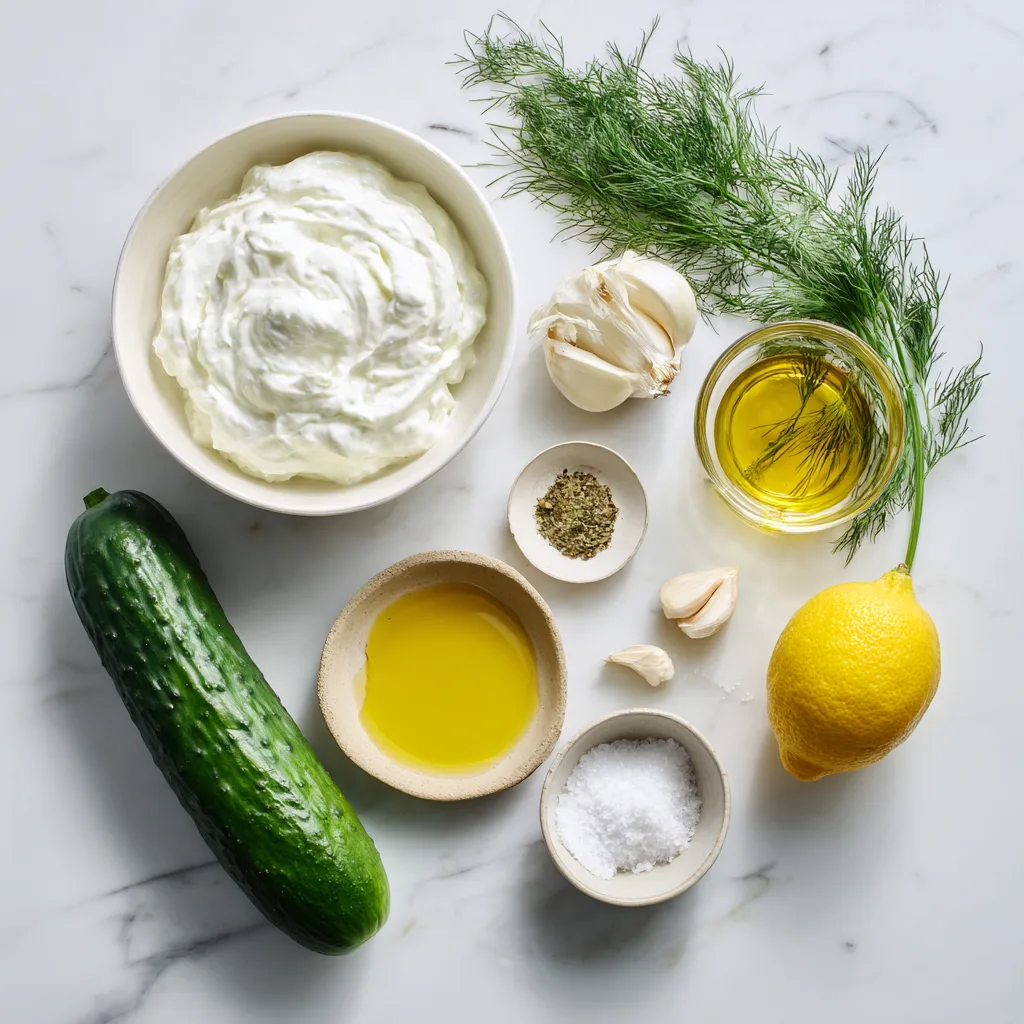
- 2 cups Greek yogurt (full-fat recommended for best texture)
- 1 medium cucumber (peeled, seeded, and grated)
- 2–3 garlic cloves (finely minced or grated)
- 2 tablespoons fresh dill (finely chopped)
- 1 tablespoon olive oil (extra virgin preferred)
- 1 tablespoon lemon juice (freshly squeezed)
- ½ teaspoon salt (adjust to taste)
- Optional: 1 tablespoon fresh mint (for extra brightness)
Helpful Notes:
- Always use thick Greek yogurt to avoid a watery consistency.
- Removing excess moisture from the cucumber is essential for the perfect texture.
- Fresh herbs make a noticeable difference compared to dried versions.
Instructions
- Prepare the cucumber:
Grate the cucumber using a box grater, then place it in a clean kitchen towel or cheesecloth. Squeeze out as much liquid as possible. This step is crucial to prevent the sauce from becoming watery. - Mix the base:
In a medium mixing bowl, add the Greek yogurt. Stir it gently to smooth out the texture. - Add flavor elements:
Add the minced garlic, chopped dill, lemon juice, olive oil, and salt to the yogurt. Mix until well combined. - Incorporate the cucumber:
Fold the drained cucumber into the yogurt mixture, ensuring even distribution. - Taste and adjust:
Taste the tzatziki and adjust seasoning as needed—more lemon for brightness, more salt for depth, or extra garlic for intensity. - Chill before serving:
Cover and refrigerate for at least 30 minutes. This allows the flavors to meld beautifully. - Serve and garnish:
Before serving, drizzle with a little olive oil and sprinkle fresh herbs on top for a polished finish.
Pro Tips
- Drain thoroughly: Even a little excess cucumber water can dilute the flavor and texture. Take your time with this step.
- Grate garlic finely: This ensures the flavor spreads evenly without overpowering bites.
- Let it rest: Tzatziki tastes significantly better after chilling, as the ingredients meld together.
- Use high-quality olive oil: It adds a subtle richness that elevates the entire dish.
- Balance acidity carefully: Lemon juice should enhance, not overpower, the creamy base.
Variations
1. Minty Tzatziki
Swap half the dill with fresh mint for a brighter, more refreshing twist that pairs beautifully with lamb dishes.
2. Spicy Tzatziki
Add a pinch of cayenne pepper or finely chopped chili for a subtle kick that contrasts with the cool yogurt.
3. Vegan Tzatziki
Use a thick plant-based yogurt (like coconut or almond) and follow the same method for a dairy-free version.
4. Lemon-Garlic Boosted Version
Double the garlic and lemon for a sharper, more intense flavor profile—perfect for bold palates.
Serving Suggestions
Tzatziki is one of the most versatile sauces you can have in your kitchen. Here are some delicious ways to enjoy it:
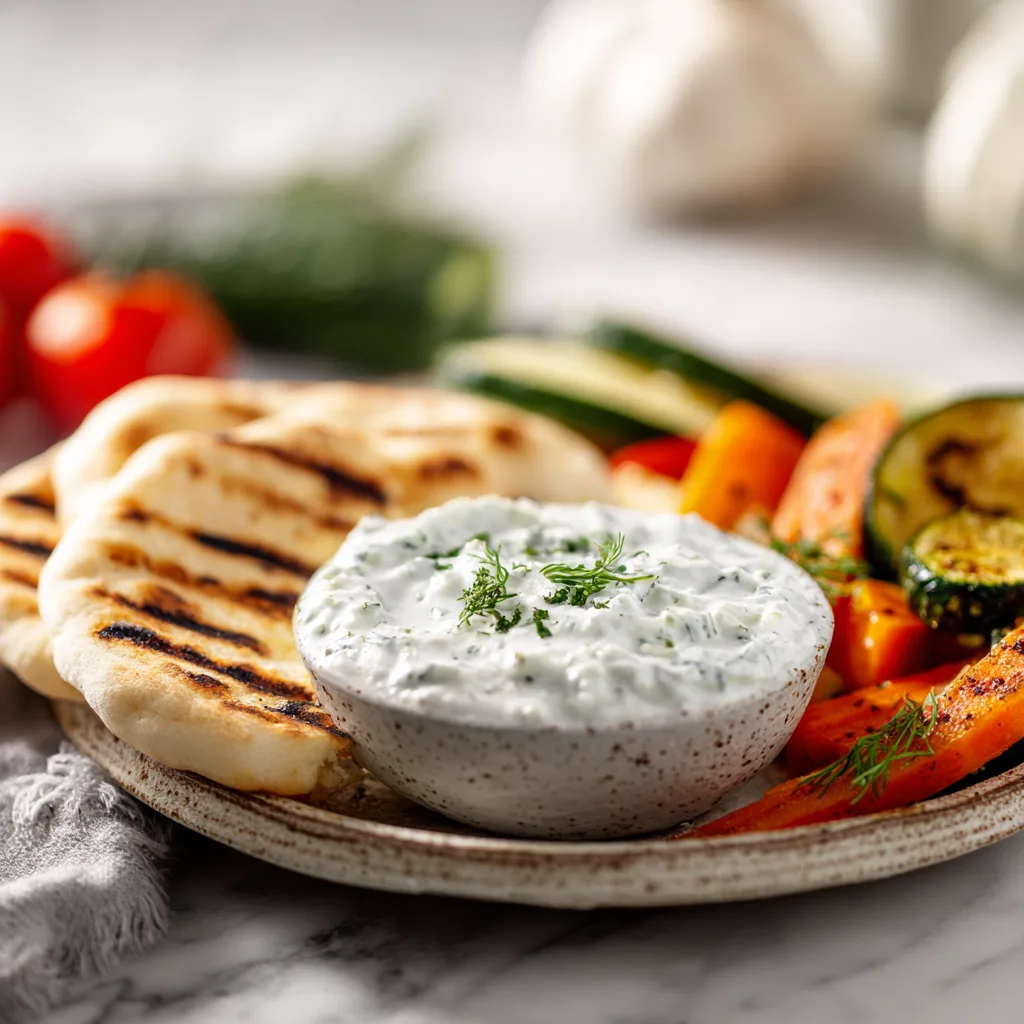
- Serve with warm pita bread or flatbread as a classic appetizer
- Pair with grilled chicken, lamb, or beef skewers
- Use as a spread in wraps or sandwiches
- Add a dollop to grain bowls or salads
- Serve alongside roasted vegetables for a refreshing contrast
- Use as a dip for fresh veggies like carrots, cucumbers, and bell peppers
Its cool, creamy texture makes it especially perfect for balancing spicy or heavily seasoned dishes.
Storage & Reheating
Storage:
Store tzatziki in an airtight container in the refrigerator for up to 3–4 days. Stir before serving, as slight separation may occur.
Reheating:
Tzatziki is not meant to be reheated. It’s best enjoyed cold or slightly chilled.
Pro Tip:
If the sauce becomes watery after storage, simply stir it and drain any excess liquid if needed.
Common Mistakes to Avoid
- Skipping cucumber draining: This leads to a thin, watery sauce
- Using low-quality yogurt: Thin yogurt won’t give you the signature creamy texture
- Overpowering garlic: Too much garlic can dominate the flavor—balance is key
- Not chilling the sauce: Freshly mixed tzatziki lacks the depth of flavor that develops over time
- Using dried herbs only: Fresh herbs bring a brightness that dried herbs can’t replicate
Cultural Context or Fun Facts
Tzatziki has deep roots in Mediterranean and Middle Eastern cuisine, with variations found across regions. In Greece, it’s a staple component of dishes like gyros and souvlaki. Interestingly, similar yogurt-based sauces exist in other cultures, such as Indian raita and Turkish cacık.
Traditionally, tzatziki is served as part of a mezze platter—a collection of small dishes meant for sharing. This reflects the communal dining culture of the Mediterranean, where food is meant to be enjoyed together.
FAQs
1. Can I make tzatziki ahead of time?
Yes! In fact, it tastes better after a few hours in the fridge as the flavors meld together.
2. Can I freeze tzatziki?
Freezing is not recommended, as the texture of yogurt can change and become grainy.
3. What type of cucumber is best?
English cucumbers are ideal because they have fewer seeds and less water.
4. How do I thicken tzatziki?
Use thicker yogurt or strain your yogurt through cheesecloth for a denser consistency.
5. Can I use dried dill instead of fresh?
Yes, but reduce the amount since dried herbs are more concentrated.
6. Is tzatziki healthy?
Absolutely! It’s high in protein, low in calories, and made with fresh, wholesome ingredients.
Tzatziki Sauce
A cool, creamy Greek yogurt dip made with cucumber, garlic, and fresh herbs.
Ingredients
Equipment
Method
- Grate cucumber and squeeze out excess moisture using a towel.
- Mix yogurt, garlic, dill, lemon juice, olive oil, and salt in a bowl.
- Fold in cucumber, chill for 30 minutes, and serve.
Notes
For best flavor, allow tzatziki to chill before serving.