The Best Fluffy Pancakes recipe you will fall in love with. Full of tips and tricks to help you make the best pancakes.
Introduction
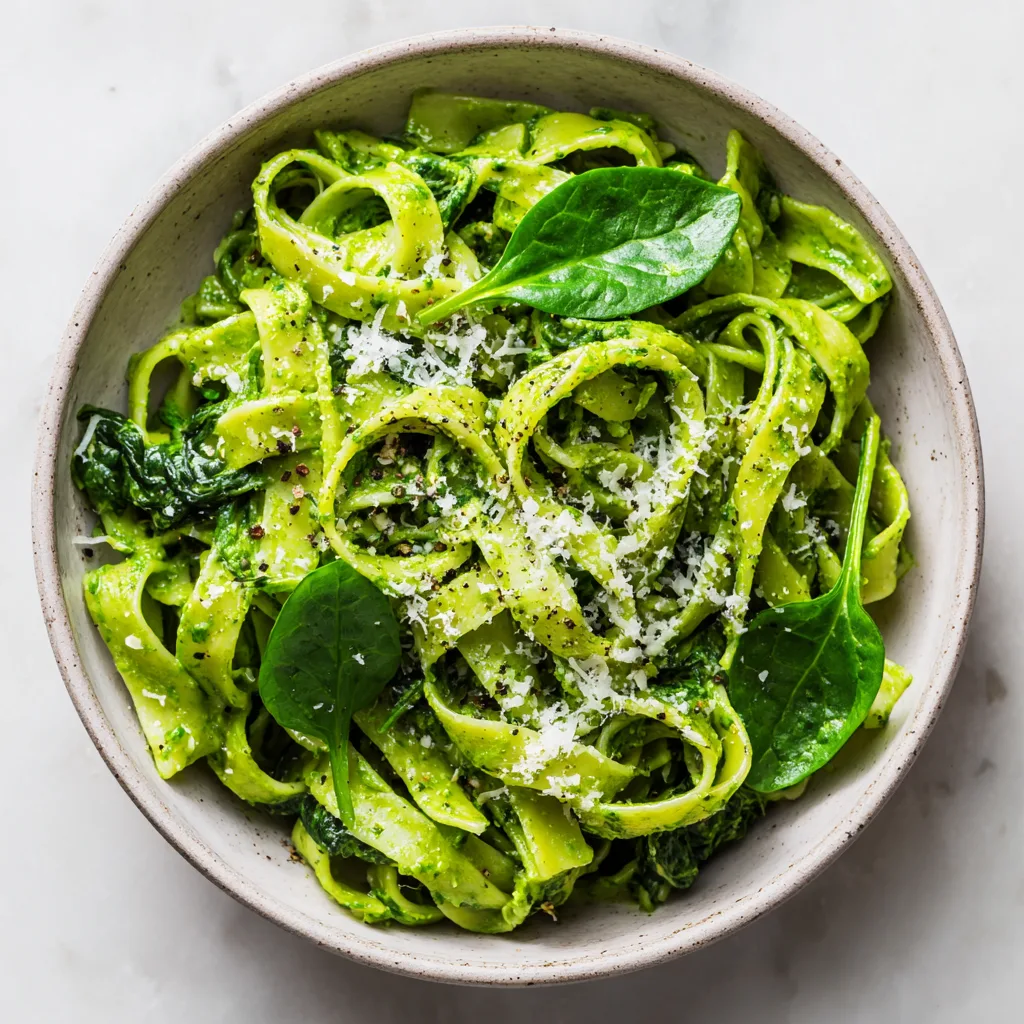
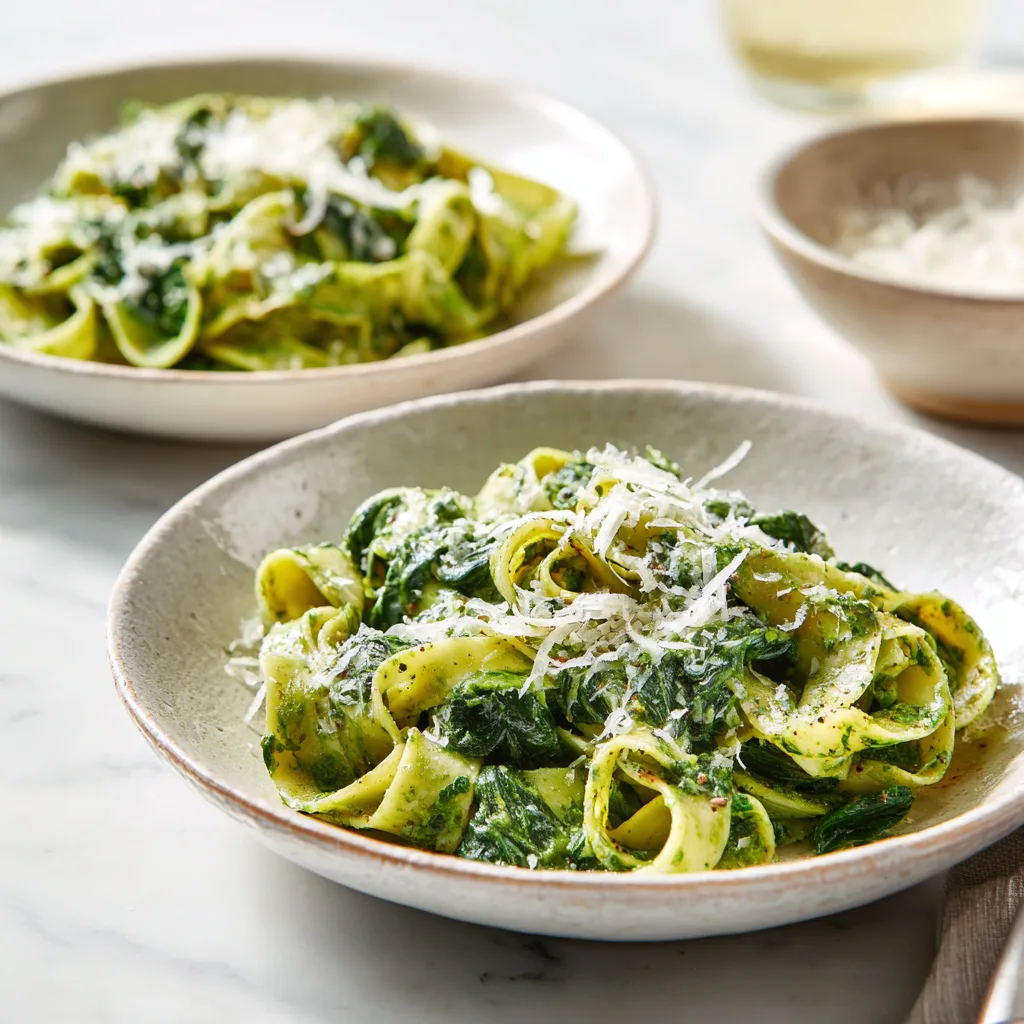
There’s something magical about making pasta from scratch. The simple act of transforming a handful of everyday ingredients into silky ribbons of fresh pasta feels both timeless and rewarding. When you add fresh spinach to the mix, the result becomes even more special. Homemade Spinach Pasta brings together the comforting tradition of handmade pasta with the vibrant color and subtle earthiness of fresh greens.
Unlike store-bought pasta, freshly made spinach pasta has a delicate texture that cooks in just a few minutes and delivers incredible flavor in every bite. Its beautiful green hue instantly elevates any meal, making even a simple dinner feel restaurant-worthy.
Whether you’re planning a cozy family dinner, looking to impress guests, or simply want to try your hand at homemade pasta making, this recipe delivers outstanding results with surprisingly simple ingredients. Once you taste the tender texture and fresh flavor, you’ll understand why homemade spinach pasta is worth every minute.
Why You’ll Love This Recipe
- Beautiful naturally green pasta without artificial coloring
- Fresh, delicate texture that’s impossible to find in packaged pasta
- Great way to incorporate leafy greens into meals
- Perfect for beginners learning homemade pasta
- Freezer-friendly for future meals
- Pairs well with countless sauces
- Uses simple pantry staples
- Impressive enough for special occasions
- Easy to customize with herbs and seasonings
- Rich in flavor while remaining light and fresh
Ingredients
For the Spinach Pasta Dough
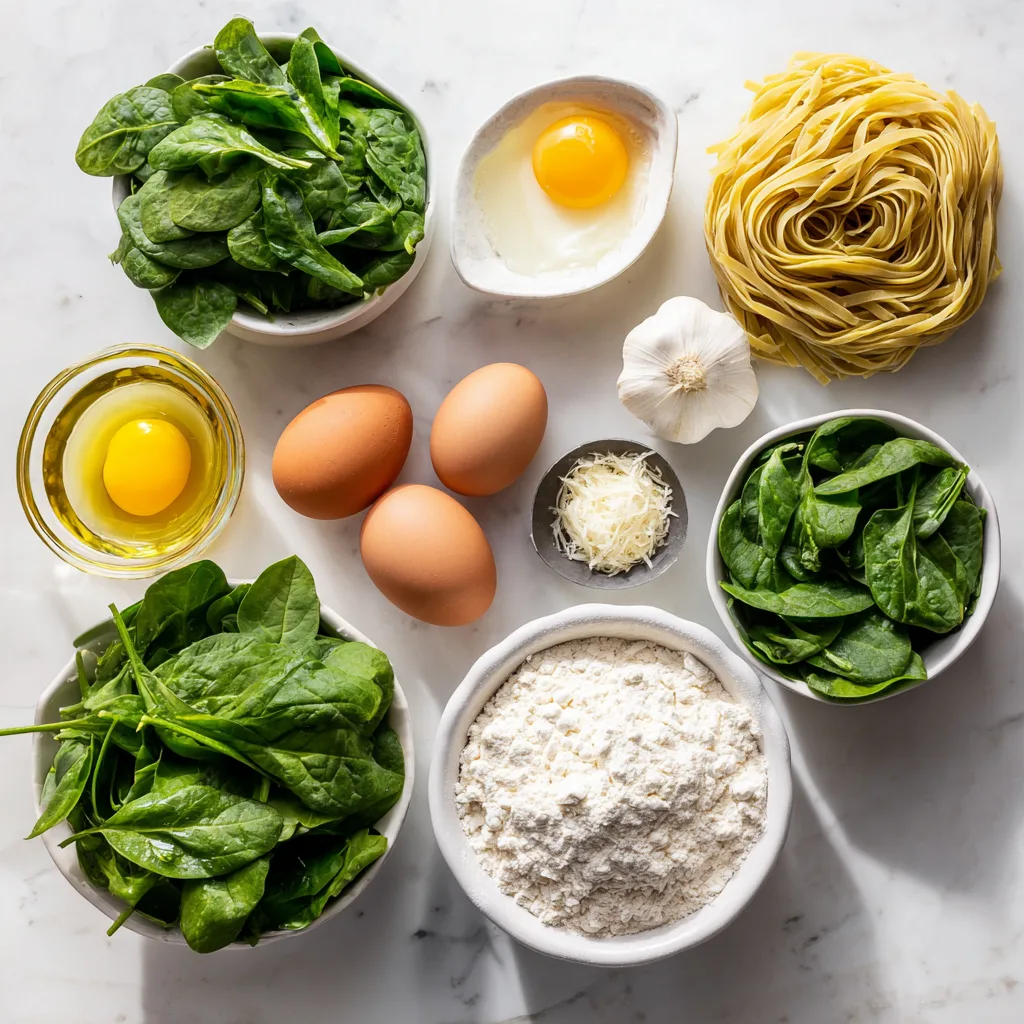
- 4 cups all-purpose flour, plus extra for dusting
- 2 cups fresh spinach leaves, packed
- 3 large eggs
- 1 tablespoon olive oil
- 1 teaspoon fine sea salt
Optional Serving Ingredients
- 2 tablespoons butter
- 2 cloves garlic, minced
- ½ cup freshly grated Parmesan cheese
- Freshly cracked black pepper
- Extra virgin olive oil for drizzling
Instructions
1. Prepare the Spinach
Bring a pot of water to a boil. Add the spinach leaves and blanch for 30 seconds until wilted.
Immediately transfer the spinach to ice water to stop the cooking process and preserve its vibrant green color.
Drain thoroughly and squeeze out as much water as possible.
2. Make the Spinach Purée
Place the squeezed spinach into a food processor.
Add the eggs and olive oil.
Blend until completely smooth and bright green.
3. Form the Dough
Place the flour and salt in a large mixing bowl.
Create a well in the center and pour in the spinach mixture.
Gradually mix the flour into the liquid until a rough dough forms.
4. Knead the Dough
Transfer the dough to a lightly floured work surface.
Knead for 8–10 minutes until smooth, elastic, and slightly springy.
If the dough feels sticky, add small amounts of flour as needed.
5. Rest the Dough
Wrap the dough tightly in plastic wrap or cover with a bowl.
Allow it to rest for at least 30 minutes at room temperature.
This resting period relaxes the gluten and makes rolling much easier.
6. Roll the Pasta
Divide the dough into four equal portions.
Using a pasta machine or rolling pin, roll each piece into thin sheets.
Dust lightly with flour to prevent sticking.
7. Cut the Pasta
Cut the sheets into your preferred pasta shape:
- Fettuccine
- Tagliatelle
- Pappardelle
- Lasagna sheets
- Ravioli wrappers
Arrange the cut pasta on a lightly floured tray.
8. Cook the Pasta
Bring a large pot of salted water to a rolling boil.
Cook fresh spinach pasta for 2–4 minutes depending on thickness.
The pasta should be tender but still slightly firm.
9. Finish and Serve
For a simple serving option, melt butter in a skillet.
Add garlic and cook for 30 seconds.
Toss in the cooked pasta and sprinkle with Parmesan cheese.
Finish with black pepper and serve immediately.
Pro Tips
Use Dry Spinach
The biggest challenge with spinach pasta is moisture control. Thoroughly squeezing the spinach ensures a balanced dough that’s easy to work with.
Rest Longer for Better Texture
While 30 minutes is sufficient, resting the dough for an hour often creates an even silkier texture.
Roll Gradually
When using a pasta machine, reduce the thickness setting one step at a time rather than jumping to thin settings immediately.
Don’t Overcook
Fresh pasta cooks much faster than dried pasta. Start checking after two minutes.
Freeze Before Storing
Freeze freshly cut pasta in nests on a baking sheet before transferring to freezer bags.
Variations
Creamy Spinach Alfredo Pasta
Serve the fresh spinach pasta with a rich Alfredo sauce made from cream, butter, and Parmesan.
Lemon Herb Spinach Pasta
Add lemon zest and chopped parsley to create a bright spring-inspired dish.
Spinach Basil Pasta
Blend fresh basil into the spinach mixture for an aromatic herbal twist.
Whole Wheat Spinach Pasta
Replace half the all-purpose flour with whole wheat flour for a nuttier flavor and additional fiber.
Stuffed Spinach Ravioli
Use the dough to make ravioli filled with ricotta, Parmesan, and herbs.
Serving Suggestions
Homemade spinach pasta is incredibly versatile and pairs beautifully with a variety of sauces and accompaniments.
Light Pairings
- Garlic olive oil sauce
- Lemon butter sauce
- Fresh herbs and Parmesan
- Roasted cherry tomatoes
Rich Pairings
- Creamy mushroom sauce
- Alfredo sauce
- Brown butter sage sauce
- Four-cheese sauce
Protein Additions
- Grilled chicken
- Garlic shrimp
- Seared salmon
- Italian sausage
Side Dishes
- Garlic bread
- Caesar salad
- Roasted vegetables
- Tomato bruschetta
Storage & Reheating
Refrigerator
Store fresh uncooked pasta in an airtight container for up to 2 days.
Freezer
Freeze pasta nests on a tray until firm.
Transfer to freezer bags and store for up to 2 months.
Cook directly from frozen without thawing.
Cooked Pasta Storage
Store leftovers in the refrigerator for up to 3 days.
Reheating
Warm gently in a skillet with a splash of water, broth, or olive oil to restore moisture.
Avoid microwaving for extended periods, which can make fresh pasta rubbery.
Common Mistakes to Avoid
Not Removing Enough Water from Spinach
Excess moisture creates sticky dough that is difficult to roll.
Adding Too Much Flour
Over-flouring can make pasta tough rather than tender.
Skipping the Resting Time
Resting allows gluten development and improves texture dramatically.
Rolling Too Thick
Fresh pasta should be thin enough to cook quickly and provide a delicate bite.
Overcooking
Fresh spinach pasta requires only a few minutes of cooking.
Forgetting to Salt the Water
Well-salted water enhances the flavor of the pasta itself.
Cultural Context and Fun Facts
Spinach pasta has deep roots in northern Italian cooking traditions. Regions such as Emilia-Romagna are famous for incorporating vegetables into pasta dough to create colorful varieties with unique flavors.
Before artificial food coloring became common, cooks often used natural ingredients like spinach, beetroot, squid ink, and saffron to create visually stunning pasta dishes.
Fresh spinach pasta became especially popular because it offered both beautiful color and nutritional benefits while maintaining the delicate texture that Italian handmade pasta is known for.
Today, spinach pasta remains a favorite in home kitchens and fine dining restaurants alike, appreciated for its versatility and elegant appearance.
Frequently Asked Questions
Can I use frozen spinach?
Yes. Thaw completely and squeeze out all excess moisture before blending.
Do I need a pasta machine?
No. A rolling pin works perfectly well, although a pasta machine makes achieving thin sheets easier.
Can I make the dough ahead of time?
Absolutely. The dough can be refrigerated for up to 24 hours before rolling.
Why is my pasta dough sticky?
The spinach likely retained too much moisture. Add flour gradually until the dough becomes manageable.
Can I dry homemade spinach pasta?
Yes. Allow it to air dry on a pasta rack for several hours before storing.
What sauce works best with spinach pasta?
Light sauces such as garlic butter, olive oil, lemon cream, and Parmesan allow the flavor of the pasta itself to shine.
Fresh homemade spinach pasta is one of those recipes that transforms simple ingredients into something truly memorable. The vibrant green color, silky texture, and fresh flavor make it a standout dish for both everyday meals and special occasions. Whether served with a simple garlic butter sauce or paired with a luxurious cream-based topping, this handmade pasta offers a rewarding cooking experience and a delicious result that never fails to impress.
Homemade Spinach Pasta
Fresh homemade spinach pasta with a vibrant green color, silky texture, and delicate flavor that pairs beautifully with a variety of sauces.
Ingredients
Equipment
Method
- Blanch spinach for 30 seconds, chill in ice water, drain, and squeeze dry.
- Blend spinach, eggs, and olive oil until smooth.
- Mix flour and salt, then combine with spinach mixture to form dough.
- Knead dough for 8–10 minutes until smooth and elastic.
- Rest dough for 30 minutes covered at room temperature.
- Roll dough into thin sheets and cut into desired pasta shape.
- Cook fresh pasta in salted boiling water for 2–4 minutes.
- Toss with butter, garlic, Parmesan, and black pepper before serving.
Notes
For the brightest green color, thoroughly chill spinach after blanching and remove as much moisture as possible before blending.