The Best Fluffy Pancakes recipe you will fall in love with. Full of tips and tricks to help you make the best pancakes.
Introduction
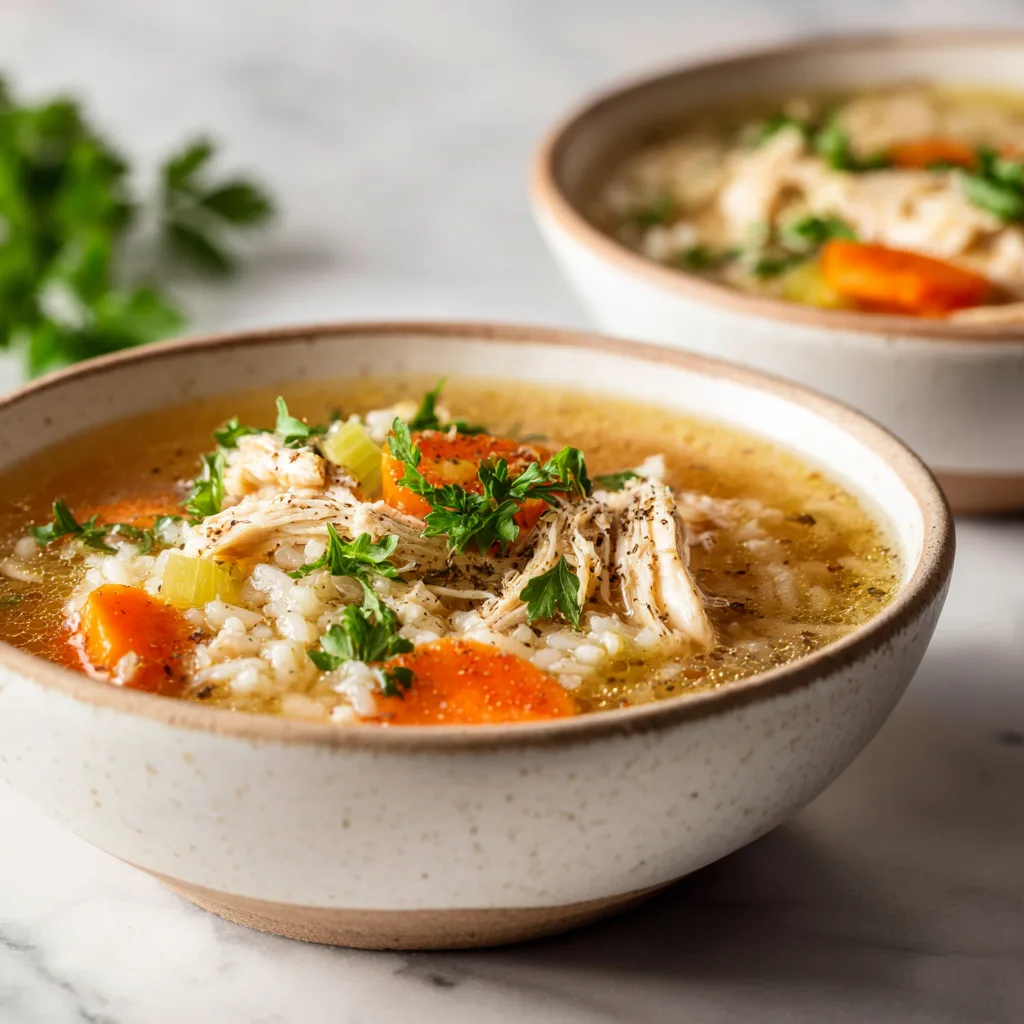
There’s something timeless about a pot of chicken rice soup simmering on the stove. The aroma alone feels like a warm blanket after a long day—savory broth, tender chicken, soft vegetables, and hearty rice blending into the kind of meal that instantly comforts you from the inside out.
Unlike canned versions that often taste flat or overly salty, this homemade chicken rice soup delivers deep flavor with surprisingly simple ingredients. It’s the kind of recipe that becomes part of your weekly rotation because it checks every box: easy, filling, wholesome, affordable, and endlessly comforting.
Whether you’re fighting off a chilly evening, feeding your family on a busy weeknight, or simply craving a bowl of something cozy and nourishing, this soup always delivers. The rice thickens the broth just enough to create a silky texture without becoming heavy, while the chicken stays juicy and tender in every bite.
What makes this recipe special is its balance. It’s hearty without feeling overly rich, packed with vegetables without tasting too healthy, and simple enough for beginners while still tasting like it simmered all day long. One spoonful and you’ll understand why classic chicken rice soup has remained a beloved comfort food across generations.
Why You’ll Love This Recipe
- Rich homemade flavor with simple pantry ingredients
- Perfect for cold weather, meal prep, or sick days
- Hearty enough for dinner but light enough for lunch
- One-pot recipe with easy cleanup
- Great use for leftover chicken or rotisserie chicken
- Naturally comforting and family-friendly
- Freezer-friendly and reheats beautifully
- Easy to customize with vegetables, herbs, or grains
- Budget-friendly while still feeling satisfying
- Beginner-friendly with simple cooking steps
Ingredients
For the Soup Base
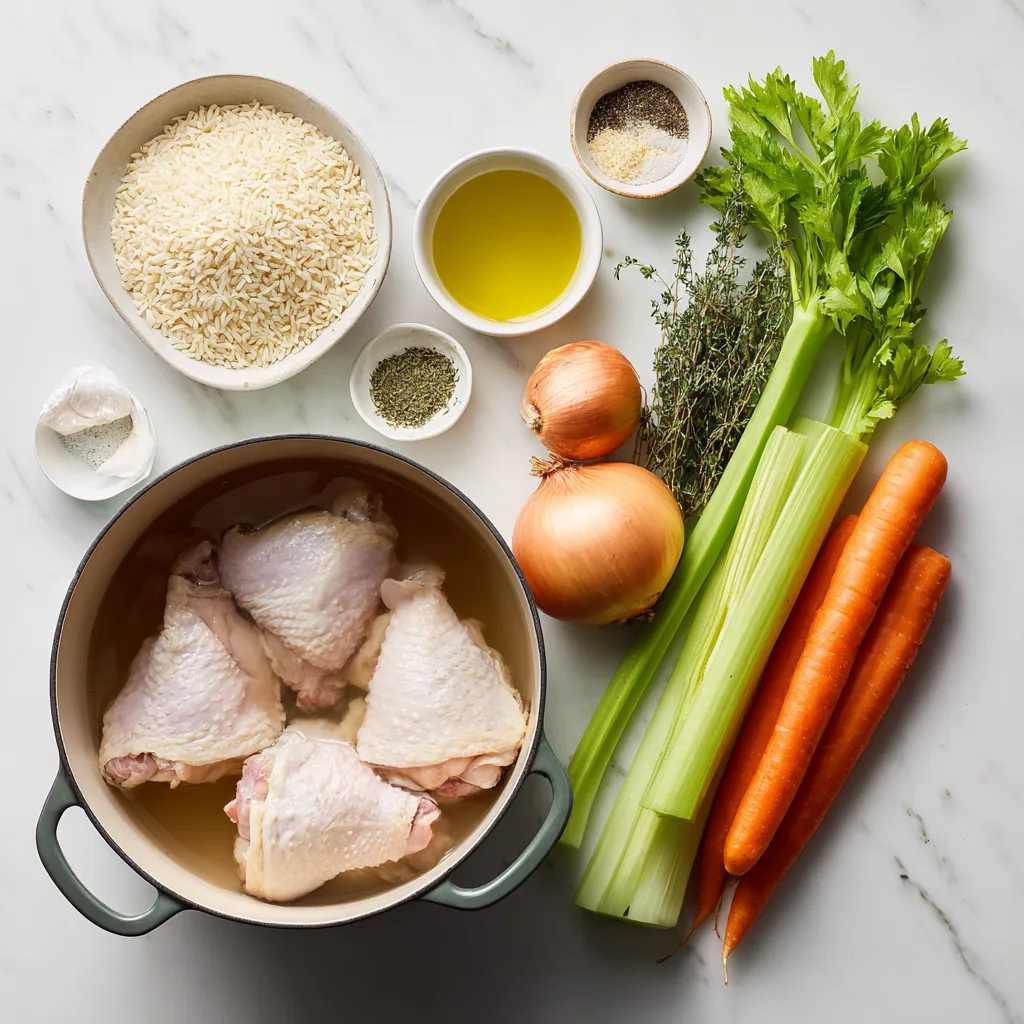
- 2 tablespoons olive oil
- 1 medium yellow onion, diced
- 3 celery stalks, sliced
- 3 medium carrots, peeled and sliced
- 4 garlic cloves, minced
- 1 teaspoon dried thyme
- 1 teaspoon dried parsley
- ½ teaspoon black pepper
- 1 teaspoon salt, adjust to taste
- 8 cups chicken broth
- 1 pound boneless skinless chicken thighs or breasts
- 1 cup uncooked long-grain white rice
- 2 bay leaves
- 2 tablespoons fresh parsley, chopped
- Juice of ½ lemon (optional for brightness)
Optional Add-Ins
- Fresh spinach
- Sweet corn
- Peas
- Red pepper flakes
- Parmesan cheese
- Fresh dill
Instructions
1. Sauté the Vegetables
Heat olive oil in a large soup pot or Dutch oven over medium heat. Add the diced onion, carrots, and celery. Cook for 6–8 minutes until the vegetables soften and the onions become translucent.
Stir occasionally to prevent browning. This slow sauté step builds the foundation of the soup’s flavor.
2. Add Garlic and Seasonings
Add the minced garlic, thyme, parsley, salt, and black pepper. Stir continuously for about 1 minute until fragrant.
The herbs should bloom in the oil, creating a savory aroma throughout the kitchen.
3. Pour in the Broth
Slowly pour the chicken broth into the pot while stirring. Add the bay leaves and bring the mixture to a gentle boil.
Using quality broth makes a noticeable difference in the final soup flavor.
4. Cook the Chicken
Add the chicken directly into the simmering broth. Reduce heat to medium-low and let it cook for 20–25 minutes until fully cooked and tender.
Chicken thighs provide richer flavor, while chicken breasts offer a leaner texture.
5. Remove and Shred the Chicken
Transfer the cooked chicken to a cutting board. Using two forks, shred the meat into bite-sized pieces.
Return the shredded chicken to the pot.
6. Add the Rice
Stir in the uncooked rice and simmer uncovered for 15–18 minutes until the rice becomes tender.
Stir occasionally so the rice doesn’t stick to the bottom of the pot.
7. Finish the Soup
Remove the bay leaves. Stir in fresh parsley and lemon juice if using.
Taste and adjust seasoning as needed. Add extra broth if the soup thickens more than desired.
8. Serve Hot
Ladle the soup into bowls and garnish with cracked black pepper, parsley, or freshly grated Parmesan cheese.
Serve immediately while hot and comforting.
Pro Tips
Use Chicken Thighs for Maximum Flavor
Chicken thighs stay moist and tender even after simmering. They add a richer depth to the broth compared to chicken breasts.
Don’t Overcook the Rice
Rice continues absorbing liquid after cooking. If you plan on storing leftovers, slightly undercook the rice to avoid mushy soup later.
Add Fresh Herbs at the End
Fresh parsley or dill added at the finish brightens the entire soup and gives it a fresher homemade taste.
Simmer Gently, Not Rapidly
A low simmer keeps the chicken tender and prevents the broth from becoming cloudy.
Make It Ahead Carefully
If preparing the soup for meal prep, consider cooking the rice separately and adding it when serving. This keeps the texture perfect for days.
Variations
Creamy Chicken Rice Soup
Add 1 cup of heavy cream or half-and-half during the final few minutes of cooking for a richer, velvety soup.
Lemon Herb Chicken Rice Soup
Increase the lemon juice and add fresh dill for a brighter Mediterranean-inspired flavor.
Spicy Chicken Rice Soup
Add diced jalapeños, cayenne pepper, or red pepper flakes for a warming spicy kick.
Vegetable-Packed Version
Add zucchini, spinach, peas, or mushrooms for extra nutrition and color.
Wild Rice Chicken Soup
Swap white rice for wild rice blend for a nuttier flavor and heartier texture.
Serving Suggestions
Chicken rice soup is incredibly versatile and pairs beautifully with simple sides that complement its cozy flavors.
Serve it with:
- Warm crusty bread
- Buttery dinner rolls
- Garlic toast
- Grilled cheese sandwiches
- Simple green salad
- Roasted vegetables
- Crackers or oyster crackers
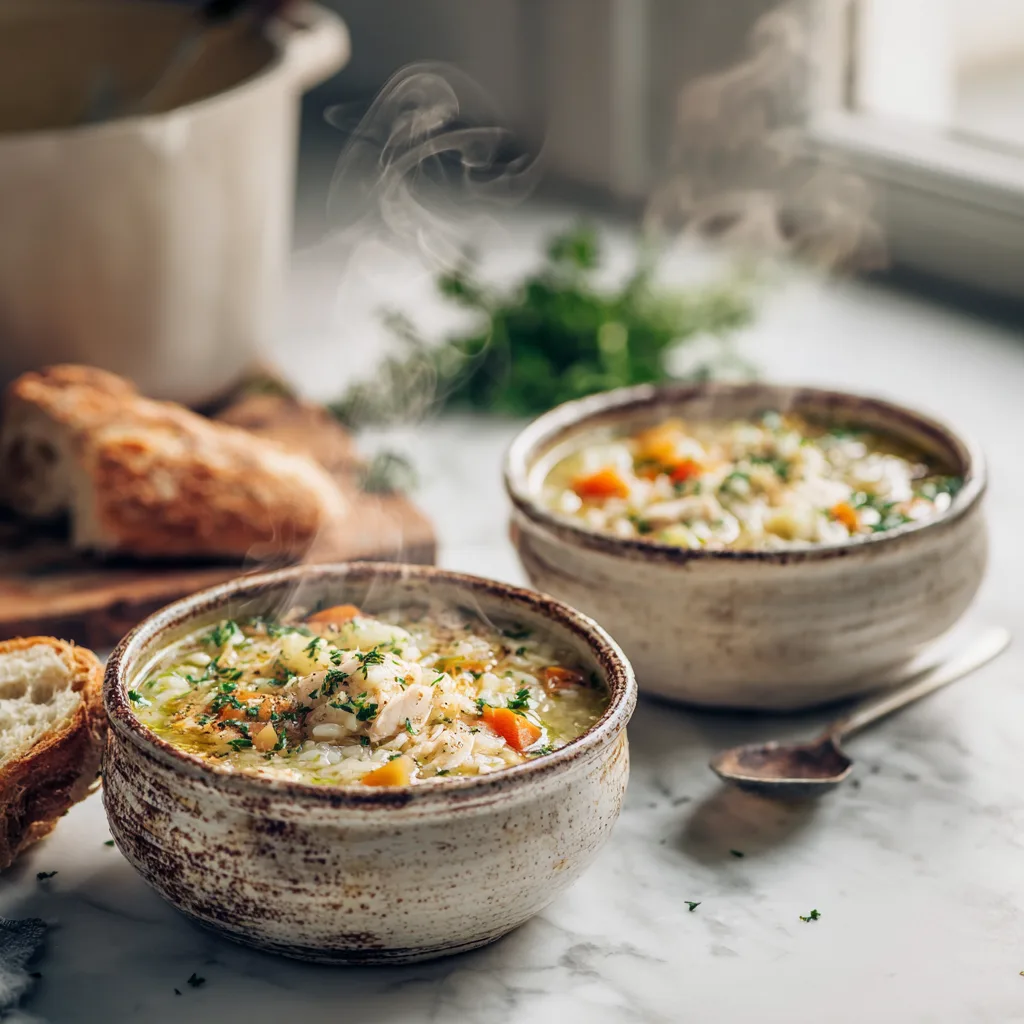
For presentation, ladle the soup into deep bowls and finish with fresh herbs, black pepper, and a drizzle of olive oil. A slice of rustic bread on the side instantly makes it feel restaurant-worthy.
Storage & Reheating
Refrigerating
Store cooled soup in an airtight container in the refrigerator for up to 4 days.
Keep in mind that the rice will continue soaking up broth as it sits.
Freezing
Freeze the soup for up to 3 months in freezer-safe containers.
For best texture, freeze without the rice and add freshly cooked rice when reheating.
Reheating
Warm the soup gently on the stovetop over medium heat until hot.
Add extra broth or water while reheating if the soup has thickened too much.
Microwave reheating also works well for individual portions.
Common Mistakes to Avoid
Adding Too Much Rice
Rice expands significantly during cooking. Too much rice can turn the soup into a thick stew instead of a brothy soup.
Boiling the Chicken Aggressively
Rapid boiling can make chicken tough and rubbery. Gentle simmering keeps it tender.
Underseasoning the Broth
Soup requires proper seasoning to taste flavorful. Taste throughout cooking and adjust salt carefully.
Skipping the Sauté Step
Cooking the vegetables first develops sweetness and depth that plain boiled vegetables simply don’t provide.
Overcooking Leftovers
Repeated reheating can make the rice overly soft. Reheat only the amount you plan to eat.
Cultural Context and Fun Facts
Chicken soup has long been considered one of the world’s most comforting foods. Variations exist across countless cultures, from Jewish matzo ball soup to Greek avgolemono and Asian chicken congee.
The idea of combining chicken, broth, and grains dates back centuries because the ingredients were affordable, nourishing, and easy to digest. Rice became especially popular in chicken soups because it thickens naturally while making the dish more filling.
Many people refer to chicken soup as “nature’s comfort food” because warm broth and savory aromas often create feelings of warmth, nostalgia, and relaxation. Scientists have even studied chicken soup for its soothing effects during colds and flu season.
Today, chicken rice soup remains a staple recipe in home kitchens because it delivers timeless comfort with simple ingredients nearly everyone already has on hand.
FAQs
Can I use rotisserie chicken?
Absolutely. Rotisserie chicken is a fantastic shortcut. Simply shred the cooked chicken and add it during the final 10 minutes of cooking.
What type of rice works best?
Long-grain white rice works best because it stays fluffy and tender without becoming overly sticky.
Can I make this soup gluten-free?
Yes. The soup is naturally gluten-free as long as your chicken broth is certified gluten-free.
Why did my soup become too thick?
Rice absorbs liquid over time. Add more broth when reheating to loosen the consistency.
Can I use brown rice instead?
Yes, but brown rice takes longer to cook. Add an additional 20–25 minutes of simmering time.
Is this soup healthy?
Chicken rice soup is packed with protein, vegetables, and comforting broth while remaining relatively light and balanced.
Final Thoughts
Few recipes feel as universally comforting as homemade chicken rice soup. It’s warm, nourishing, simple to prepare, and endlessly adaptable to what you have in your kitchen. Every spoonful delivers tender chicken, flavorful broth, soft rice, and vegetables that taste like home.
This is the kind of recipe that people return to again and again—not because it’s trendy, but because it genuinely works. It comforts during cold nights, helps through busy weeks, and somehow makes everything feel a little calmer.
Once you make it from scratch, it’s hard to go back to store-bought versions. The flavor, texture, and freshness are simply on another level.
Cozy Homestyle Chicken Rice Soup
A warm and comforting chicken rice soup loaded with tender chicken, vegetables, fluffy rice, and savory broth.
Ingredients
Equipment
Method
- Heat olive oil in a large Dutch oven over medium heat. Sauté onion, carrots, and celery until softened.
- Add garlic, thyme, salt, and pepper. Stir for 1 minute until fragrant.
- Pour in chicken broth and add bay leaves. Bring to a gentle simmer.
- Add chicken and simmer for 20–25 minutes until fully cooked.
- Remove chicken, shred with forks, and return it to the soup.
- Stir in rice and cook until tender, about 15–18 minutes.
- Remove bay leaves and stir in parsley before serving hot.
Notes
For meal prep, cook rice separately and add when serving to maintain the best texture.