
The Best Fluffy Pancakes recipe you will fall in love with. Full of tips and tricks to help you make the best pancakes.
Introduction
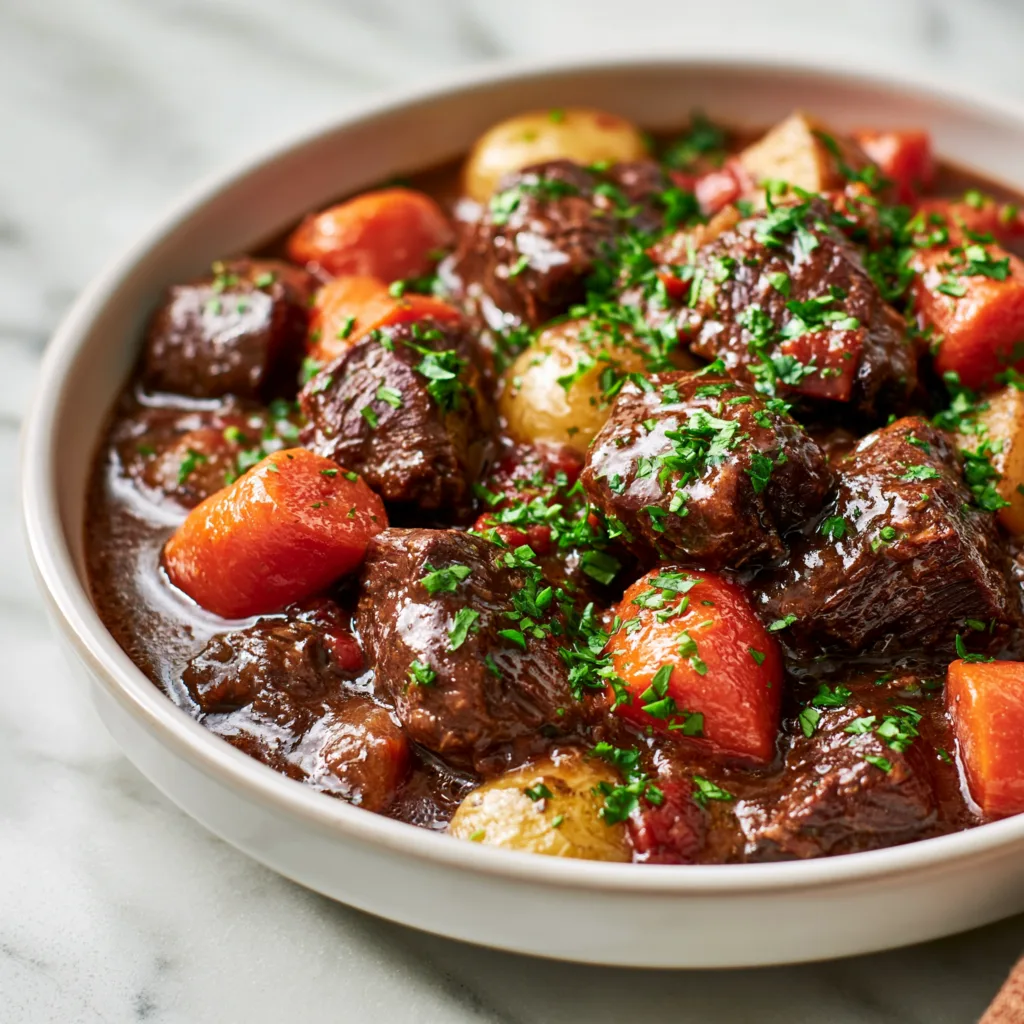
There are meals that feed you, and then there are meals that hold you. Classic beef stew belongs firmly in the second category. It’s the kind of dish that fills the kitchen with the deep aroma of simmering beef, herbs, and vegetables, slowly transforming simple ingredients into something rich, soulful, and unforgettable.
This isn’t just dinner—it’s a ritual. A pot of beef stew bubbling gently on the stove or in the oven feels like an invitation to slow down, to breathe, and to let time do its quiet magic. Each spoonful delivers fork-tender beef, buttery potatoes, sweet carrots, and a velvety broth that tastes like it has been perfected over generations.
What makes this version special is its balance: deeply savory without being heavy, rustic yet refined, and simple enough for a weekday while still worthy of a Sunday gathering.
If you’ve ever wanted a stew that tastes like it’s been simmering in a countryside kitchen all day—even if you made it in your own modern home—this recipe is it.
Why You’ll Love This Recipe
- Deep, slow-cooked flavor with minimal effort
- Tender beef that practically melts in your mouth
- One-pot convenience with easy cleanup
- Perfect for meal prep and leftovers (it gets better the next day)
- Customizable with vegetables you already have
- Freezer-friendly for future cozy meals
Ingredients
Beef Stew Base
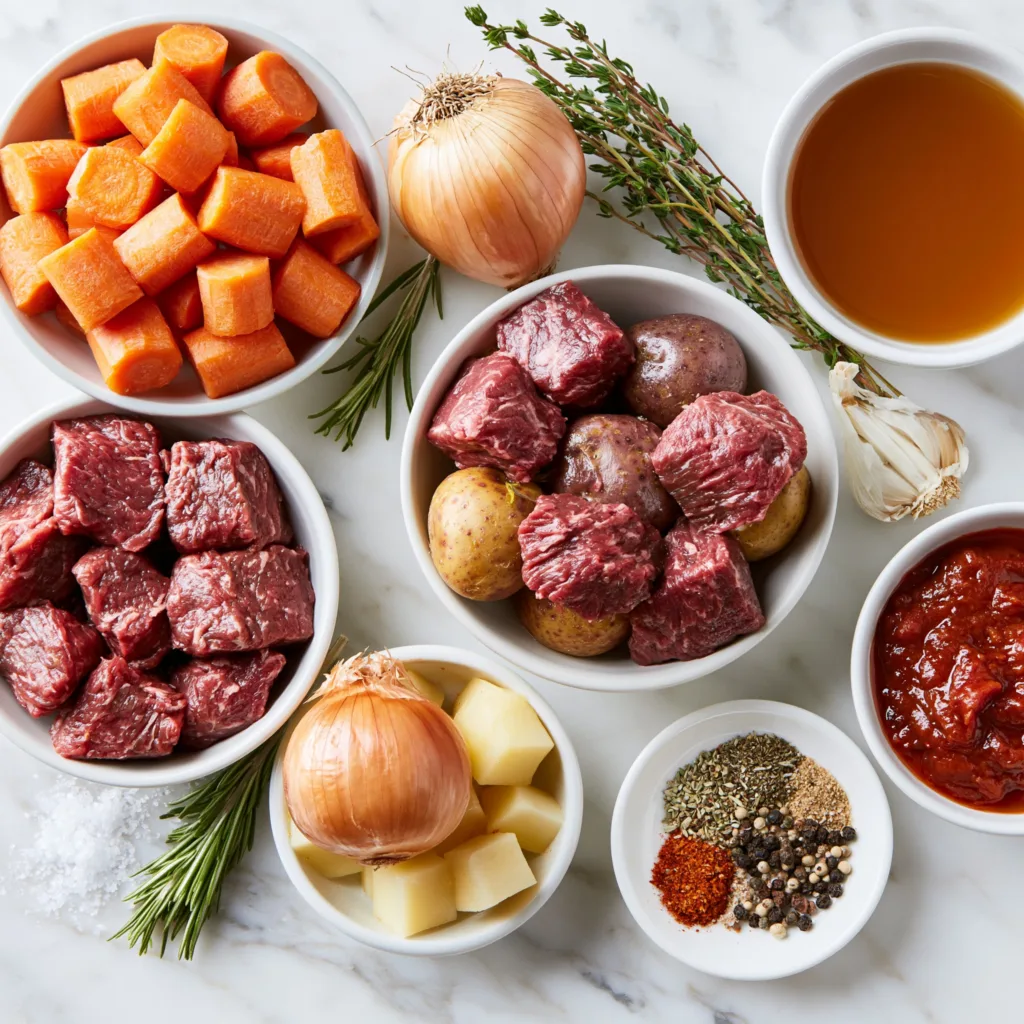
- 2 lbs beef chuck, cut into 1.5-inch cubes (well-marbled for tenderness)
- 2 tbsp olive oil (for searing richness)
- Salt and black pepper, to taste
Aromatics & Vegetables
- 1 large onion, diced
- 3 cloves garlic, minced
- 3 large carrots, peeled and chopped into thick rounds
- 4 medium potatoes, peeled and cut into chunks
- 2 celery stalks, sliced
Liquids & Flavor Builders
- 3 tbsp tomato paste (for depth and color)
- 4 cups beef broth (low sodium preferred)
- 1 cup red wine (optional but highly recommended for richness)
- 2 tsp Worcestershire sauce
- 2 tsp fresh thyme leaves (or 1 tsp dried)
- 2 bay leaves
Optional Enhancers
- 1 cup peas (added at the end for sweetness)
- Fresh parsley for garnish
Instructions
- Sear the beef for flavor foundation
Heat olive oil in a heavy-bottomed pot or Dutch oven over medium-high heat. Pat beef dry, season generously with salt and pepper, and sear in batches until browned on all sides. Do not overcrowd the pan—this step builds the deep, savory base of the stew. - Build the aromatic base
Remove beef and set aside. In the same pot, add onions, carrots, and celery. Cook for 5–7 minutes until softened. Stir in garlic and tomato paste, cooking for another minute until fragrant and slightly caramelized. - Deglaze and deepen flavor
Pour in red wine (if using) and scrape up the browned bits from the bottom of the pot. Let it simmer for 2–3 minutes until slightly reduced. This step adds incredible depth. - Slow simmer transformation
Return beef to the pot. Add beef broth, Worcestershire sauce, thyme, and bay leaves. Bring to a gentle boil, then reduce heat to low. Cover and simmer for 1.5 to 2 hours, stirring occasionally. - Add potatoes and finish cooking
Add potatoes and continue simmering for another 30–40 minutes until beef is tender and potatoes are soft but not falling apart. - Final adjustments
Remove bay leaves. Add peas if using and simmer for 5 more minutes. Taste and adjust seasoning with salt and pepper. - Serve warm and comforting
Ladle into bowls and garnish with fresh parsley. Serve hot for maximum comfort.
Pro Tips
- Always sear beef in batches—crowding causes steaming instead of browning
- Use chuck roast, not lean cuts, for melt-in-your-mouth texture
- Let the stew rest for 20 minutes before serving for deeper flavor integration
- A splash of vinegar or lemon at the end can brighten heavy stews
- The stew thickens naturally as it cools—don’t over-reduce early
Variations
1. Mushroom Beef Stew
Add sautéed mushrooms during the vegetable stage for earthy depth.
2. Spicy Smoky Stew
Add smoked paprika and a pinch of chili flakes for warmth and heat.
3. Herb Garden Stew
Enhance with rosemary, oregano, and fresh dill for a fragrant twist.
4. Root Vegetable Stew
Swap potatoes with parsnips, turnips, or sweet potatoes for a sweeter, rustic profile.
Serving Suggestions
Classic beef stew is incredibly versatile. Serve it with crusty artisan bread for soaking up the rich broth, or pair it with creamy mashed potatoes for an indulgent double-carb comfort plate.
For a lighter pairing, serve alongside a crisp green salad dressed with lemon vinaigrette. A glass of red wine also complements the deep savory flavors beautifully.
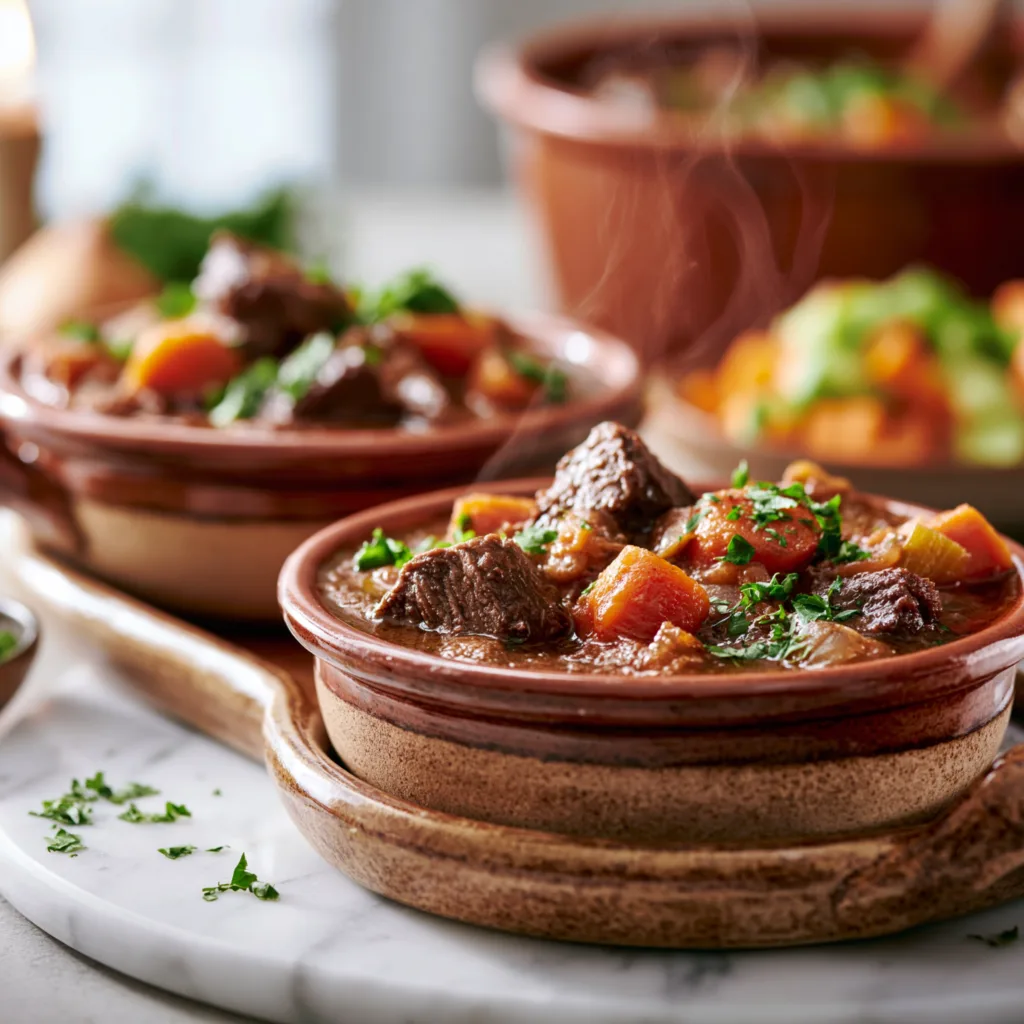
For presentation, always serve in deep rustic bowls with a sprinkle of fresh herbs to elevate the visual appeal.
Storage & Reheating
This stew is even better the next day as flavors continue to develop.
- Refrigerator: Store in airtight containers for up to 4 days
- Freezer: Freeze for up to 3 months in portioned containers
- Reheating: Warm gently on the stovetop over low heat, adding a splash of broth if needed to loosen texture
Avoid microwaving on high heat, as it can toughen the beef.
Common Mistakes to Avoid
- Skipping the sear: This removes essential flavor development
- Using lean beef cuts: They become dry and chewy
- Overcooking vegetables early: They turn mushy and lose texture
- Adding too much liquid: Stew should be thick, not soupy
- Rushing the simmering process: Slow cooking is key to tenderness
Cultural Context & Fun Facts
Beef stew has roots across many cultures, from French Boeuf Bourguignon to Irish farmhouse stews. While each version differs slightly, the heart of the dish remains the same: transforming humble ingredients into something deeply nourishing through slow cooking.
Historically, stews were practical meals designed to stretch ingredients and feed families over multiple days. Today, they remain a symbol of comfort and tradition—proof that the simplest foods often carry the richest stories.
FAQs
1. Can I make beef stew in a slow cooker?
Yes, after searing the beef and sautéing aromatics, transfer everything to a slow cooker and cook on low for 7–8 hours.
2. Can I thicken the stew?
You can mash a few potatoes into the broth or add a cornstarch slurry for extra thickness.
3. What’s the best cut of beef?
Chuck roast is ideal due to its fat content and connective tissue that breaks down beautifully.
4. Can I make it without wine?
Absolutely—just replace it with extra beef broth.
5. Why does my beef turn tough?
It likely wasn’t cooked long enough. Tough beef usually means it needs more slow simmering time.
6. Can I freeze beef stew with potatoes?
Yes, though potatoes may soften slightly after thawing. It’s still delicious.
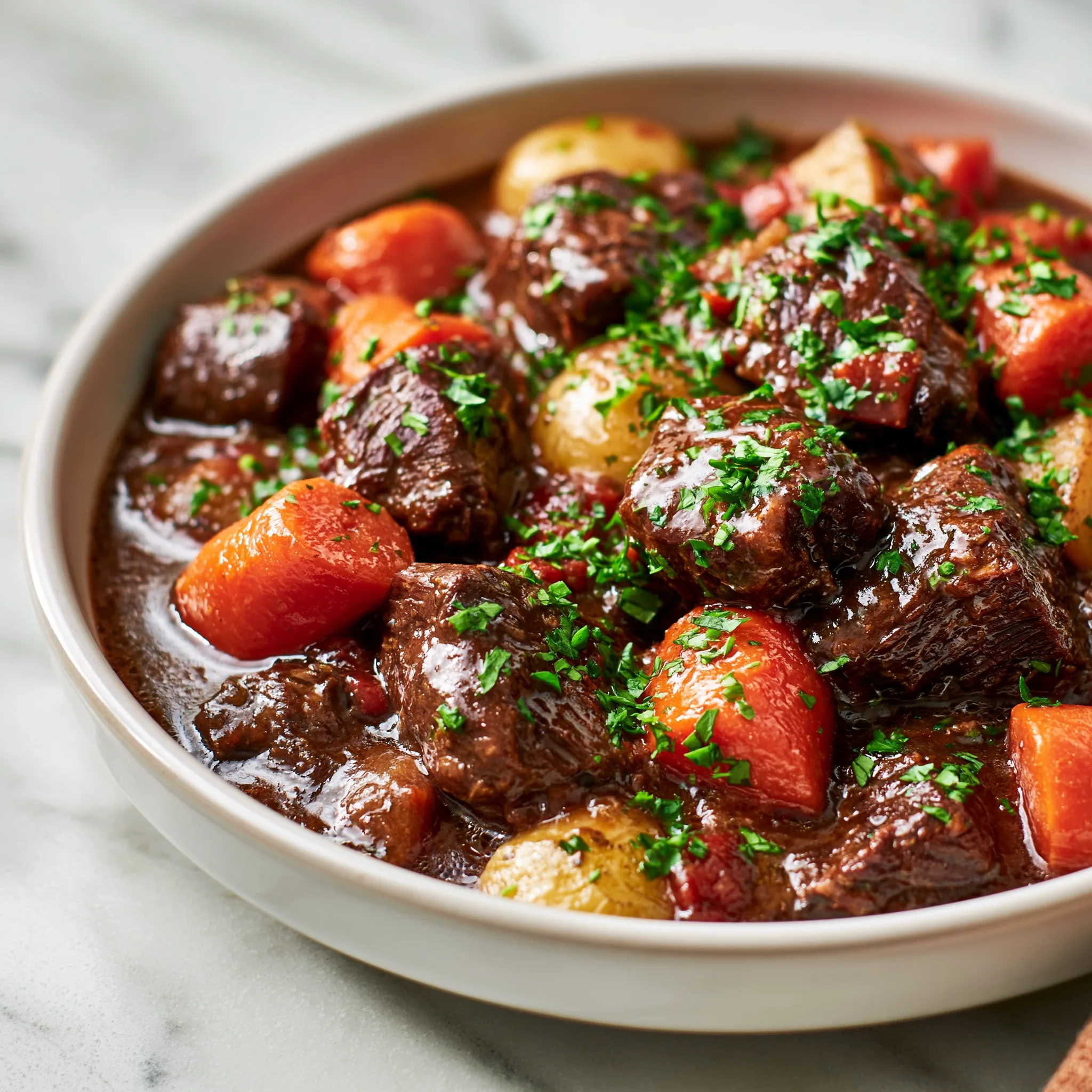
Classic Beef Stew
A rich, slow-simmered beef stew loaded with tender beef, vegetables, and a deeply flavorful broth perfect for cozy comfort meals.
Ingredients
Equipment
Method
- Heat olive oil in a Dutch oven and sear beef cubes in batches until deeply browned on all sides.
- Remove beef and sauté onion, carrots, and celery until softened, then add garlic and tomato paste.
- Deglaze with red wine, scraping browned bits, and let reduce slightly.
- Return beef and add broth, Worcestershire sauce, thyme, and bay leaves, then simmer covered for 1.5–2 hours.
- Add potatoes and continue simmering for 30–40 minutes until tender.
- Stir in peas, adjust seasoning, remove bay leaves, and serve hot.
Notes
For best flavor, allow stew to rest before serving. It tastes even better the next day.