The Best Fluffy Pancakes recipe you will fall in love with. Full of tips and tricks to help you make the best pancakes.
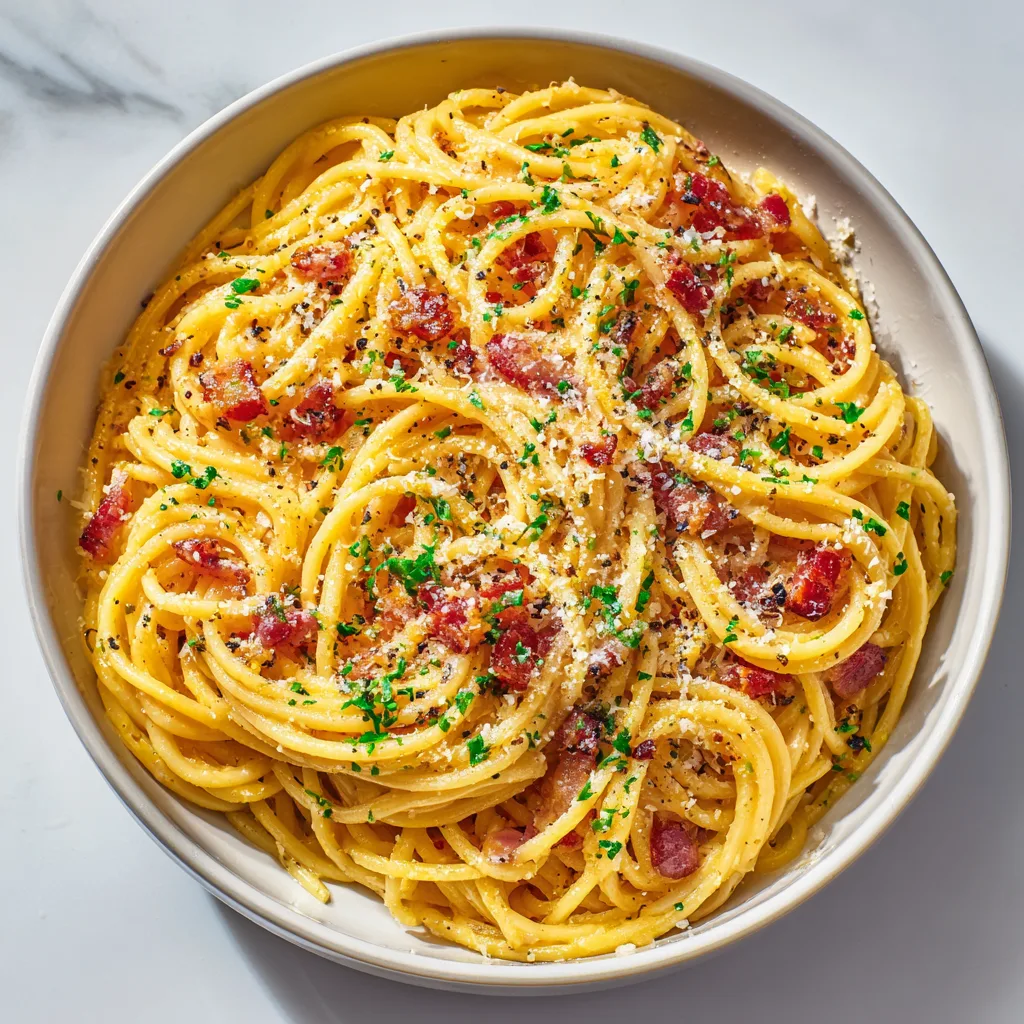
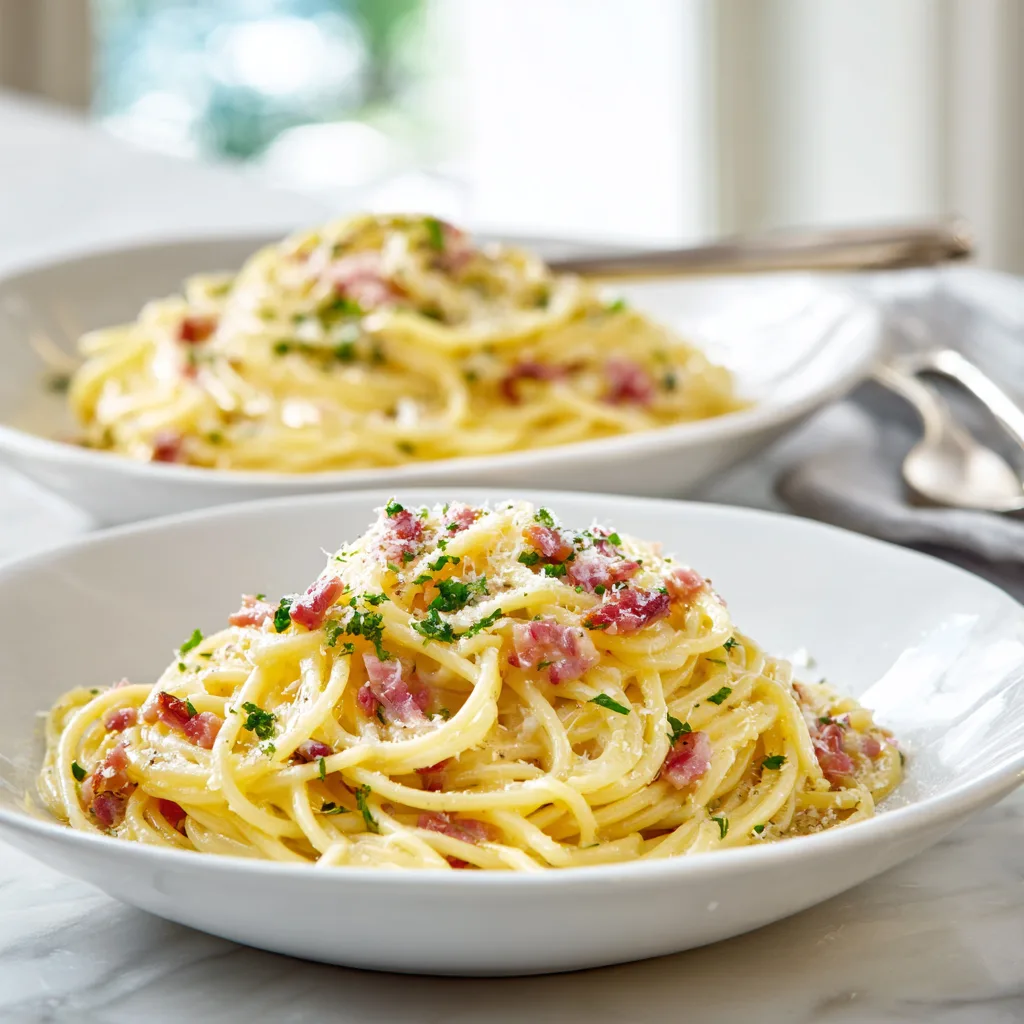
Spaghetti Carbonara is one of the most iconic dishes in Italian cuisine. Rich, creamy, and deeply satisfying, this Roman pasta classic transforms a handful of simple ingredients into a luxurious meal. Despite its indulgent texture, authentic spaghetti carbonara contains no cream at all. Instead, the creamy carbonara sauce is created by emulsifying eggs, cheese, pasta water, and rendered pancetta fat into a silky coating that clings perfectly to every strand of spaghetti.
If you’ve ever wondered how to make authentic Italian carbonara at home—without scrambling the eggs or ending up with dry pasta—this comprehensive guide will walk you through every step. From selecting the right ingredients to mastering the timing, you’ll learn how to create restaurant-quality spaghetti carbonara in under 30 minutes.
Whether you’re planning a cozy weeknight dinner, an elegant date-night meal, or simply craving a classic Roman pasta dish, this recipe delivers bold flavor with minimal effort.
The History of Authentic Italian Carbonara
Spaghetti Carbonara originates from Rome and is deeply rooted in traditional Italian cooking. Though its exact origins are debated, most culinary historians agree that carbonara became popular in the mid-20th century. The name “carbonara” is believed to derive from “carbonaro,” meaning charcoal worker—possibly referencing the black pepper that resembles coal dust.
Authentic Roman carbonara uses just a few essential ingredients: pasta, eggs, Pecorino Romano cheese, guanciale (or pancetta), and black pepper. No cream, no garlic, and no onions. The magic lies in technique rather than complexity.
Today, spaghetti carbonara remains one of the most beloved pasta dishes worldwide, celebrated for its simplicity and bold flavor.
Why You’ll Love This Spaghetti Carbonara Recipe
- Ready in under 30 minutes
- Made with simple pantry ingredients
- Ultra-creamy texture without heavy cream
- Perfect balance of salty, peppery, and savory flavors
- Restaurant-quality results at home
This easy carbonara sauce comes together quickly, making it ideal for busy evenings when you want something impressive but effortless.
Ingredients
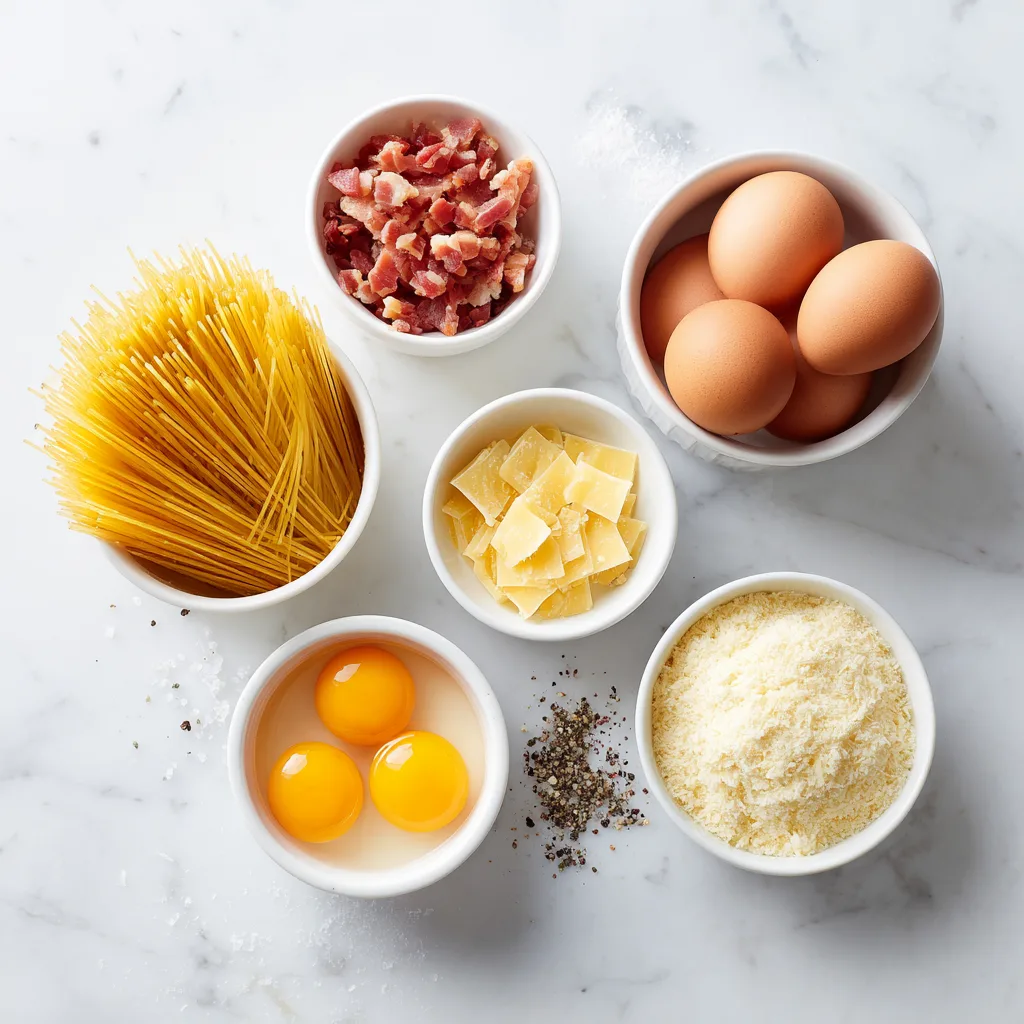
For authentic flavor, use high-quality ingredients. Each component plays a crucial role in the final taste and texture.
- 400 g (14 oz) dried spaghetti
- 150 g (5 oz) pancetta, diced (or guanciale if available)
- 2 large eggs
- 2 large egg yolks
- 1 cup finely grated Pecorino Romano cheese
- 1 teaspoon freshly cracked black pepper (plus more to taste)
- Salt for pasta water
That’s it. No cream. No butter. No shortcuts.
Ingredient Breakdown and Tips
Spaghetti
Traditional spaghetti is the preferred pasta for carbonara. Its long strands hold the sauce beautifully. However, rigatoni or fettuccine can work if needed.
Pancetta or Guanciale
Guanciale (cured pork jowl) is traditional in Rome, but pancetta is a widely available and excellent substitute. Avoid smoked bacon if you want authentic flavor.
Pecorino Romano
This sheep’s milk cheese provides the sharp, salty backbone of the dish. Do not substitute with pre-grated cheese—freshly grated melts more smoothly.
Eggs and Yolks
The combination of whole eggs and extra yolks creates a rich, velvety carbonara sauce without cream.
Instructions
Follow these steps carefully to achieve a smooth and creamy spaghetti carbonara.
1. Boil the Pasta
Bring a large pot of salted water to a boil. Add spaghetti and cook until al dente according to package instructions. Reserve 1 cup of pasta water before draining.
2. Cook the Pancetta
While the pasta cooks, heat a large skillet over medium heat. Add diced pancetta and cook until crispy and golden, about 5–7 minutes. Turn off the heat once done and set aside.
3. Prepare the Egg Mixture
In a mixing bowl, whisk together the whole eggs, egg yolks, grated Pecorino Romano, and freshly cracked black pepper until smooth.
4. Combine Pasta and Pancetta
Add the drained hot spaghetti directly into the skillet with pancetta (heat off). Toss to coat in the rendered fat.
5. Create the Sauce
Slowly pour the egg and cheese mixture over the hot pasta while tossing continuously. The residual heat gently cooks the eggs, forming a creamy sauce.
If needed, add a tablespoon of reserved pasta water at a time to loosen the sauce and create a glossy, silky consistency.
6. Adjust and Serve
Taste and adjust seasoning with extra cheese or black pepper. Serve immediately while hot and creamy.
The Secret to Creamy Carbonara (Without Cream)
The key to achieving perfect spaghetti carbonara lies in temperature control. The pan must be hot enough to cook the eggs gently but not so hot that they scramble.
Here’s how to avoid common mistakes:
- Always remove the pan from direct heat before adding the egg mixture.
- Toss quickly and continuously.
- Use reserved pasta water to emulsify and smooth the sauce.
This technique creates that signature creamy carbonara sauce that defines classic Roman pasta.
Variations You Can Try
Although authentic Italian carbonara is minimalistic, you can adapt it while respecting the original spirit.
1. Carbonara with Guanciale
For the most traditional version, use guanciale instead of pancetta.
2. Creamy Chicken Carbonara
Add grilled chicken slices for extra protein, though this is not traditional.
3. Mushroom Carbonara
Sauté mushrooms with pancetta for earthy depth.
4. Gluten-Free Carbonara
Substitute gluten-free spaghetti and follow the same steps.
Serving Suggestions
Spaghetti carbonara pairs beautifully with:
- A crisp green salad with lemon vinaigrette
- Garlic bread or crusty Italian bread
- Sparkling water or a light white wine
Serve immediately—carbonara waits for no one.
Storage and Reheating Tips
Carbonara is best enjoyed fresh. However, if needed:
- Store leftovers in an airtight container in the refrigerator for up to 2 days.
- Reheat gently over low heat with a splash of water to restore creaminess.
- Avoid microwaving at high power, as this can scramble the sauce.
Nutritional Insight
While spaghetti carbonara is indulgent, it’s also balanced. Eggs provide protein, Pecorino Romano adds calcium, and pasta delivers energy-sustaining carbohydrates. Moderation is key, but there’s no reason you can’t enjoy this classic Roman pasta as part of a well-rounded diet.
Fun Facts About Carbonara
- Traditional Roman chefs strongly oppose adding cream.
- Carbonara is one of the “Four Great Roman Pastas,” alongside Cacio e Pepe, Amatriciana, and Gricia.
- Freshly cracked black pepper is essential and should be generous.
Final Thoughts
Spaghetti Carbonara proves that simplicity is powerful. With just a handful of quality ingredients and proper technique, you can create a creamy Italian pasta classic that rivals any restaurant dish.
This easy carbonara sauce recipe brings authentic Roman flavor straight to your kitchen. Whether you’re cooking for family or hosting guests, this timeless dish is guaranteed to impress.
Once you master spaghetti carbonara, you’ll return to it again and again—because true Italian comfort food never goes out of style.
Spaghetti Carbonara
A classic Roman pasta dish made with spaghetti, pancetta, eggs, Pecorino Romano, and black pepper for a creamy sauce without cream.
Ingredients
Equipment
Method
- Bring a large pot of salted water to a boil and cook spaghetti until al dente. Reserve 1 cup of pasta water before draining.
- Cook pancetta in a skillet over medium heat until crispy and golden, about 5–7 minutes. Remove from heat.
- Whisk together eggs, egg yolks, grated Pecorino Romano, and black pepper in a mixing bowl.
- Add hot drained pasta to the skillet with pancetta and toss to coat.
- Pour egg mixture over pasta off heat, tossing continuously to create a creamy sauce. Add reserved pasta water as needed.
- Serve immediately with extra cheese and black pepper if desired.
Notes
For authentic flavor, use guanciale instead of pancetta and avoid adding cream.